State energy giant Saudi Aramco has shifted its commercial strategy by enacting a substantial reduction in the official selling price (OSP) of its flagship Arab Light crude for Asian customers. The pricing adjustment represents the largest monthly decrease recorded in over twenty years, highlighting a calculated defensive maneuver as global supply dynamics normalize and competition among major international exporters intensifies across the Far East.
Executive Summary
- Pricing Reset: Saudi Aramco reduced the August OSP for its flagship Arab Light grade by 1.10 dollars per barrel, positioning it at 1.50 dollars below the regional benchmark.
- Historical Precedent: The aggressive pricing correction marks the most significant strategic market adjustment executed by the Kingdom since the structural supply shifts of 2020.
- Macro Compression: The policy change follows a 30 percent decline in global benchmark prices during the second quarter of 2026, driven by easing geopolitical friction.
- Supply Chain Stabilization: Commercial shipping flows through the Strait of Hormuz are undergoing a steady recovery, effectively neutralizing previous maritime risk premiums.
This deep structural pricing alignment reflects the shifting realities of modern commodity logistics. By optimizing its export pricing, the Kingdom is actively protecting its downstream demand channels in Asia, ensuring that state revenue remains protected to continuously fund massive domestic infrastructure transformations.
Logistical Normalization via the Strait of Hormuz
The primary catalyst behind the revised pricing framework is the steady stabilization of maritime supply chains in the Arabian Gulf. Commercial tanker traffic through the Strait of Hormuz, a critical transit gateway handling roughly one fifth of the world’s daily petroleum consumption, has commenced a gradual return to normal operational baselines following a prolonged period of regional tension.
As international shipping operators resume standard routing, the geopolitical risk premiums that previously kept Brent crude inflated have steadily evaporated. This supply normalization has altered the global balance, with international investment banks warning of a looming commodity surplus if non OPEC production remains elevated while global industrial demand growth experiences a temporary stabilization phase.
Preserving Dominance in Core Downstream Markets
Faced with expanding output from West African, American, and alternative regional producers, Saudi Aramco opted for tactical agility over rigid premium pricing. The decision to lower the Saudi Aramco OSP by 1.10 dollars ensures that Saudi crude remains highly attractive to refining consortiums in China, Japan, and South Korea.
Refining margins across Asian industrial complexes have felt the squeeze of softening consumer demand over the first half of the year. By offering its benchmark Arab Light at 1.50 dollars below the regional Oman Dubai average, the Kingdom directly supports the operational profitability of its largest sovereign buyers, reinforcing Riyadh’s position as the indispensable anchor supplier for the Asian economic engine.
Macroeconomic Resiliency and the Energy Transition Nexus
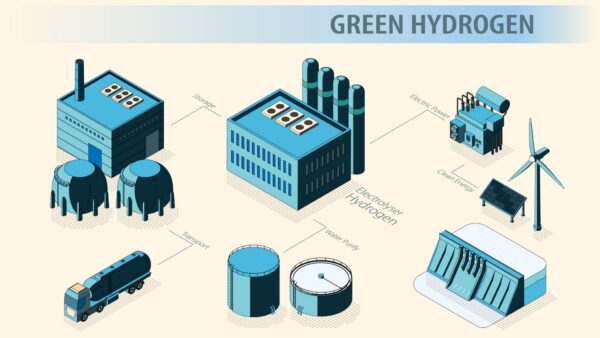
For executive macroeconomic planners tracking Saudi Vision 2030, this tactical market adjustment underscores a broader fiscal reality. While the Kingdom remains focused on scaling its green hydrogen infrastructure and massive solar grids, maintaining optimized, high volume capital inflows from traditional hydrocarbon exports remains vital.
The state budget relies on a highly optimized baseline of energy revenue to fund massive non oil diversification initiatives, including NEOM, the Red Sea Project, and localized digital manufacturing ecosystems. Aramco’s willingness to aggressively adjust pricing reflects a mature corporate governance model that prioritizes long term market share over temporary, short term spot price support.