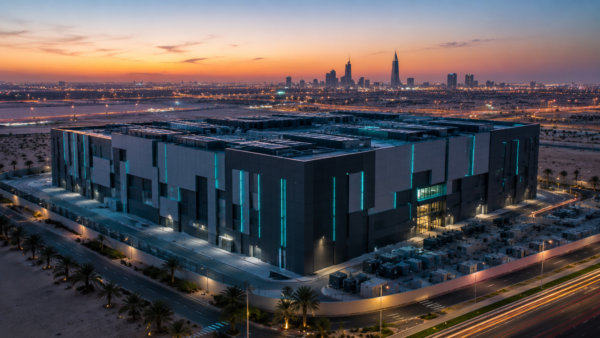
Riyadh, supported by rising regional demand for artificial intelligence capabilities, cloud computing services, and broad digital transformation plans, the Gulf Cooperation Council (GCC) data center market is projected to reach an impressive valuation of $15.4 billion by the year 2031. Industrial market analytics show that Saudi Arabia is positioned to lead this regional expansion, with forecasts indicating the Kingdom will control a dominant 41.37% share of the total GCC data center power capacity by the end of the decade.
Executive Summary
- Market Valuation: The broader GCC data center network is on track to scale to a projected $15.4 billion valuation by 2031.
- Kingdom Leadership: Saudi Arabia secures the largest share of regional infrastructure, holding 41.37% of the total capacity.
- Core Growth Drivers: Rapid adoption of generative AI systems, enterprise cloud migrations, and large hyperscale investments.
- Technical Upgrades: Increased deployment of high-efficiency liquid cooling, specialized UPS networks, and modern green power options.
This concentrated infrastructure growth highlights the ongoing transformation of regional telecommunications. As enterprise operations shift from local, on-premise hardware to distributed cloud systems, the demand for highly resilient, high-capacity data centers has accelerated. This shift has turned simple data storage facilities into vital economic assets capable of supporting advanced computing needs.
Hyperscale Inflows and Vision 2030 Priorities
Saudi Arabia’s prominent position within the regional market stems directly from its long-term economic development strategy. Large-scale infrastructure projects launched under Vision 2030 have created a highly attractive environment for global technology companies and major cloud service providers looking to expand their footprint across the Middle East.
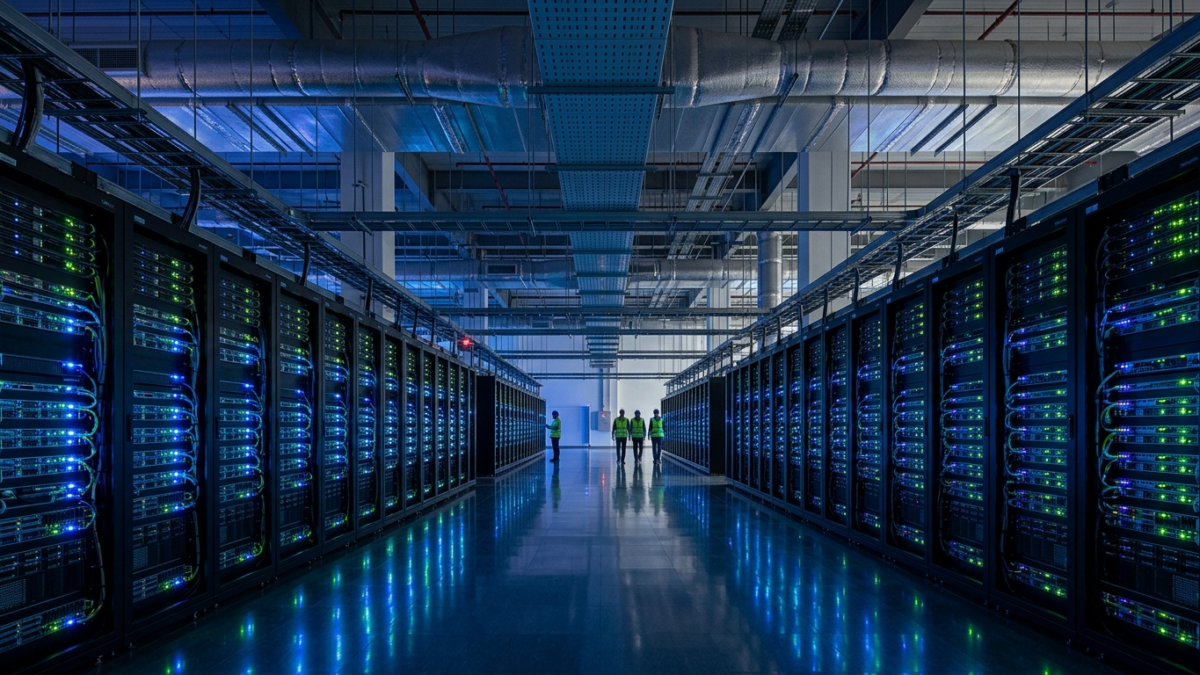
Crucially, the next generation of data center builds focuses heavily on environmental efficiency and operational durability. Operators are moving away from traditional infrastructure setups, investing instead in advanced power management solutions, precision cooling mechanisms, and integrated backup power systems. These upgrades are necessary to handle the high heat and heavy power loads generated by modern AI workloads.
Securing Critical Telecom Networks
As the regional data center footprint grows, network security and physical infrastructure defense have become top operational priorities. Regional operators are implementing strict security measures and advanced threat monitoring systems to safeguard essential data networks against complex international cyber threats and local grid disruptions.
The steady expansion of these computing facilities will continue to provide the primary foundation for the region’s broader technology ecosystem. For enterprise executives tracking the growth of these critical data facilities and modern high-speed networks, detailed industry updates are available through the telecom & connectivity repository on SaudiFutureTech.
For additional details regarding long-term market forecasts and specific engineering indicators, review the complete analysis published by Yahoo Finance Markets.