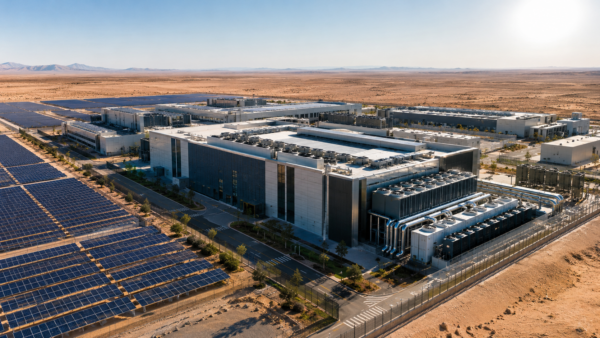
As Saudi Arabia accelerates its national energy transition under Vision 2030, balancing continuous power generation with variable renewable capacity has evolved into a vital engineering priority. Supervised by the Ministry of Energy through the National Renewable Energy Program (NREP), the Kingdom is targeting an installed capacity of 100 to 130 gigawatts of renewables by 2030. This capacity aims to supply 50 percent of the nation’s electricity from clean sources while substituting domestic liquid fuel consumption.
Achieving this shift requires transforming traditional grid networks into real-time, digitized distribution systems. Flagship developers like ACWA Power, alongside the Saudi Electricity Company (SEC) and the Saudi Power Procurement Company (SPPC), are deploying high-voltage direct current (HVDC) transmission corridors, extensive Battery Energy Storage Systems (BESS), and automated control networks to deliver green energy to giga-projects including NEOM, the Red Sea Project, and Qiddiya.
- Grid Expansion: Over 14 gigawatts of operational and connected clean energy capacity are currently integrated into the national grid, progressing toward mid-decade milestones.
- Energy Storage Deployment: Large-scale BESS installations, including multi-gigawatt-hour systems integrated into utility networks, regulate frequency and mitigate solar intermittency during peak demand hours.
- Transmission Infrastructure: The implementation of 10,000 MW High-Voltage Direct Current (HVDC) super-connectors allows efficient bulk power transport from high-yield solar regions in the central and northern provinces to coastal industrial clusters.
- Economic Offsetting: Replacing oil-fired power generation with low-cost solar photovoltaic energy frees valuable crude oil volumes for international export.
Mitigating Intermittency and Thermal Load Constraints
Integrating variable solar PV and wind generation into a national grid operating under extreme summer ambient temperatures creates complex stability challenges. During peak summer months, heavy cooling demands across urban hubs and major construction zones push regional transmission capacity to its limits.
To address these thermal constraints and ensure uninterruptible power flow to high-density compute, industrial, and tourism hubs, the Ministry of Energy has mandated advanced grid automation. Digital control systems now manage sub-second power switching, while localized BESS facilities absorb excess daytime solar generation for discharge during evening peak hours.
Strategic Utility Alignment: Ministry of Energy, ACWA Power, and SEC
The alignment between energy regulators, project developers, and transmission operators forms the backbone of KSA’s grid modernization strategy:
- Ministry of Energy & SPPC: Formulates national energy targets, oversees NREP competitive auction rounds, and manages power purchase agreement (PPA) structures that drive global benchmark low tariffs.
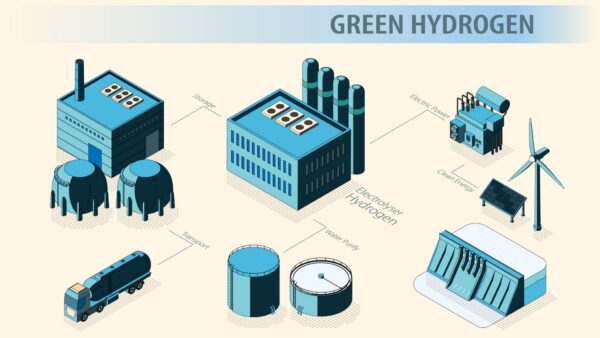
- ACWA Power: Functions as the primary development vehicle for utility-scale solar, wind, and green hydrogen projects, building gigawatt-scale assets such as the Sudair and Shuaibah solar fields.
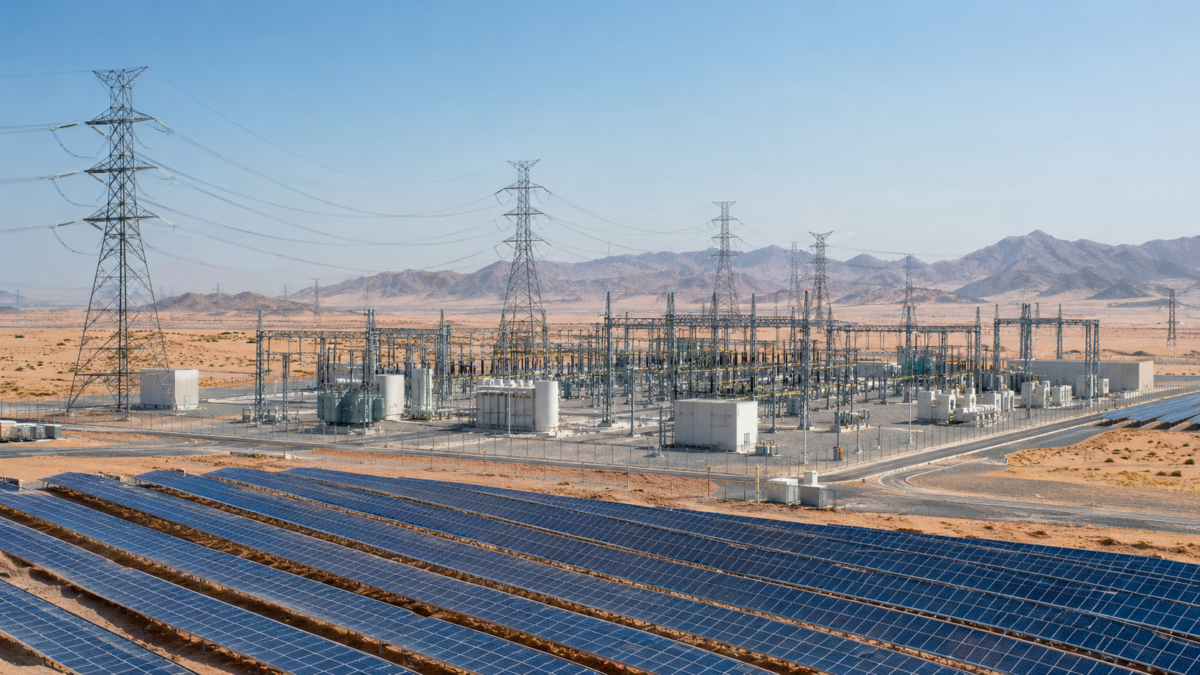
- Saudi Electricity Company (SEC): Constructs smart substations, high-capacity transmission links, and automated distribution networks capable of handling bidirectional power flows across the Kingdom.
Advanced Storage and Smart Grid Architectures
As power densities increase across industrial zones and enterprise infrastructure, local power networks are adopting advanced grid-balancing technologies:
- Utility-Scale Battery Storage: High-capacity lithium-ion and flow battery units preserve voltage stability and prevent supply curtailment during rapid weather shifts.
- HVDC Long-Distance Corridors: Direct current transmission minimizes line losses over hundreds of kilometers, connecting remote renewable parks directly to urban load centers.
- Automated Smart Sub-Stations: Real-time monitoring nodes automate load dispatching, instantly isolating potential faults without disrupting broader regional energy access.
Internal Linking Strategy
To review ongoing developments in sustainable utility infrastructure, grid integration, and solar project deployments across the Kingdom, visit our dedicated Clean Energy portal.