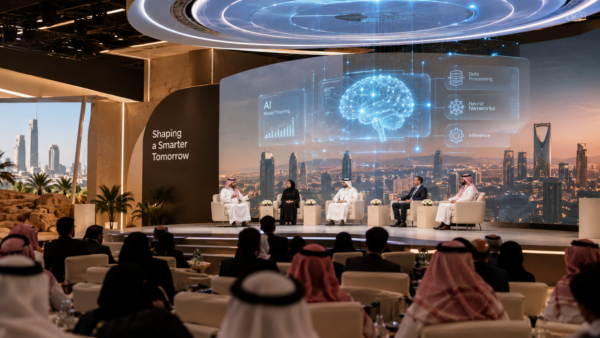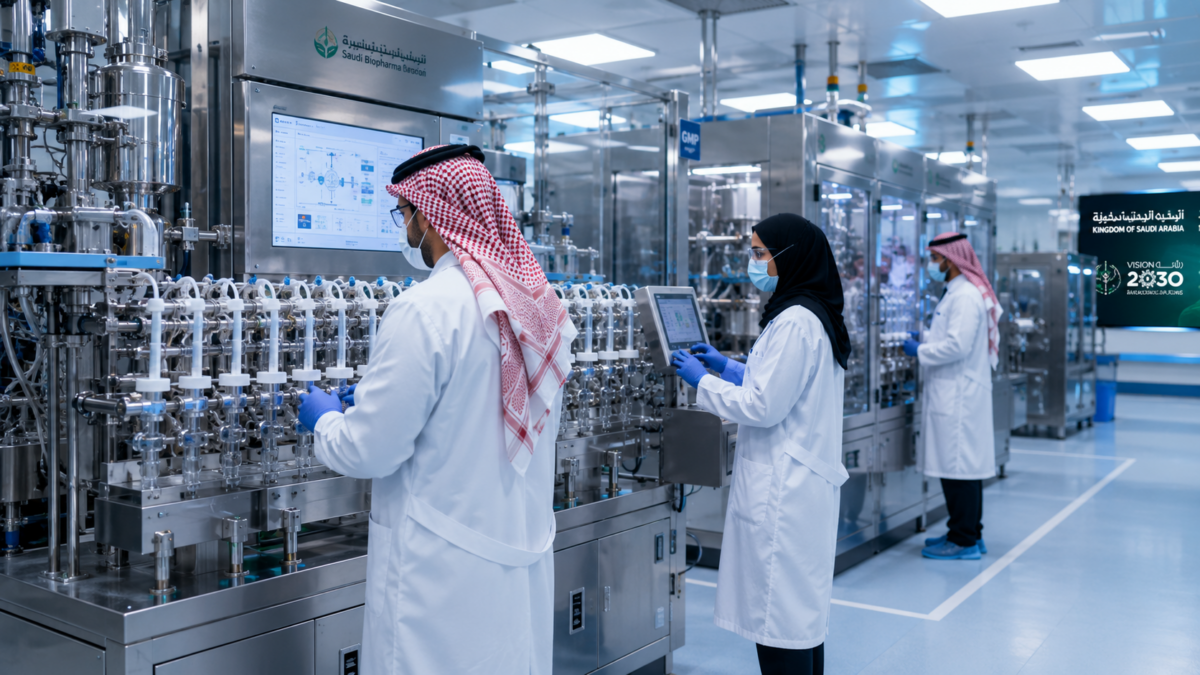
Saudi Arabia wants to be a global biotech hub by 2040. Biopharma executive Ashraf Dehlawi, whose career spans Abbott Laboratories, TuHURA Biosciences, and consulting work for SaudiVax, argues in a recent LinkedIn essay that the Kingdom will not get there by writing checks for foreign technology. Real capability, he says, gets built through alliances.
Dehlawi’s core point is straightforward: buying technology from overseas creates dependency, not capability. Long-term success requires meaningful global partnerships, active technology transfer, and sustained collaboration with international research institutions and pharmaceutical companies, not one-off procurement deals.
That argument lines up with what’s already happening on the ground. Saudi Arabia’s biotech push runs through institutions like KAUST, KAIMRC, and KFSHRC, and the Kingdom has backed the strategy with real capital, including a state-supported Biotech Accelerator launched with global incubator BioLabs, plus venture vehicles like IB Ventures and the Y Innovations Biotech Fund each targeting tens of millions of dollars in biotech investment.
Dehlawi’s framing adds a useful check on that momentum. Capital and infrastructure are necessary, but they are not sufficient on their own. Local talent paired with global expertise, he argues, is what actually compounds into a durable industry rather than a collection of imported systems that Saudi teams don’t fully own.
The piece lands at a moment when SFT has been tracking a similar dynamic across Saudi Arabia’s wider tech ecosystem, where international alliances have become as central to growth as domestic investment, whether the sector is AI, telecom, or now biotech.
For deeper detail on the Kingdom’s biotech funding pipeline and the institutions carrying it forward, background reporting from Labiotech’s coverage of Saudi Arabia’s biotech ambitions fills in the numbers behind Dehlawi’s argument.