Strategic Agreement Inked to Transform Sadus Historic Village into Modern Cultural Landmark
In a move to blend Saudi Arabia’s deep historical legacy with future-forward urban planning, the Heritage Commission, Sadus Foundation, and Riyadh Municipality have signed a tri-party cooperation agreement. The deal aims to rehabilitate the Sadus Historic Village, a critical archaeological site located northwest of Riyadh, ensuring its preservation as a cornerstone of the Kingdom’s cultural identity.
Executive Summary
- Strategic Rehabilitation: Unified efforts to restore ancient mud buildings and historical pathways using modern preservation techniques.
- Urban Integration: Enhancement of the surrounding urban environment to improve visitor accessibility and local infrastructure.
- Economic Empowerment: Initiatives to support property owners in preserving and investing in heritage assets.
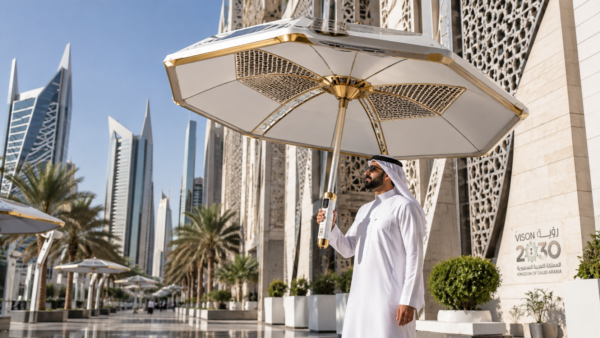
- Vision 2030 Catalyst: Positioning Sadus as a premier tourism destination to stimulate the regional cultural economy.
The agreement, signed on April 7, 2026, focuses on the “Sadus al-Arid” region—a historical model of traditional Najdi architecture. The initiative will provide technical supervision and expert support for restoration works, ensuring that modern safety and hospitality standards are met without compromising the village’s distinctive mud-brick aesthetic.
Preserving Najdi Architectural Identity
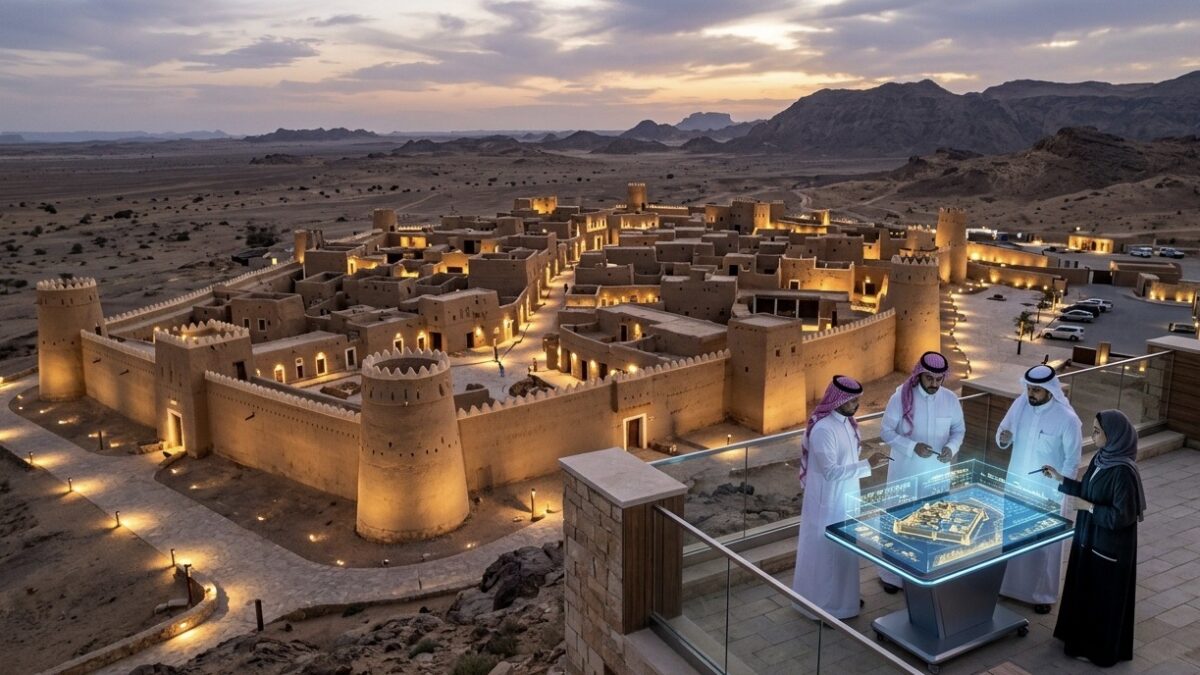
Sadus is renowned for its rectangular layout, high protective walls, and semi-circular towers, which date back centuries. Under the new deal, a joint working team will oversee the implementation of rehabilitation plans. This includes the restoration of the “al-Bilad” neighborhood, known for its iconic towers and the ancient “Sadus Column,” which served as a landmark along historical trade routes.
The rehabilitation goes beyond structural repair; it seeks to activate social and cultural programs. By transforming abandoned ruins into folk markets, heritage museums, and boutique hotels, the project aligns with Smart Cities frameworks that prioritize livable, culturally rich urban spaces within a heritage context.
The Saudi Lens: Heritage as a Future Asset
The development of Sadus Historic Village is a prime example of how Saudi Arabia treats its past as an asset for its future. By empowering local property owners to participate in the investment and preservation process, the Kingdom is fostering a sustainable ecosystem where heritage sites are not just static monuments, but living centers of innovation and commerce.
As Riyadh prepares for global events such as Expo 2030, sites like Sadus will play a vital role in showcasing the Kingdom’s “living history.” This project demonstrates that the future of Saudi urbanism is deeply rooted in the preservation and digital documentation of its historical fabric.