Redefining Urban Logistics Through Subterranean Mobility
For more than a century, urban logistics has relied on surface-level asphalt networks, bringing traffic congestion, air pollution, and high infrastructure maintenance overheads. Saudi Arabia’s landmark megacity project, The Line at NEOM, is upending this model by eliminating surface roads. Designed as a 170-kilometer linear city, the project moves all transport, logistics, and utilities underground, establishing a car-free surface dedicated exclusively to pedestrian life and natural spaces.
This architectural approach separates living spaces from functional infrastructure. By sinking freight, mass transit, and supply distribution into subterranean layers, The Line eliminates the operational bottlenecks that affect traditional metropolitan supply chains.
The Multi-Layered Substructure: The Spine
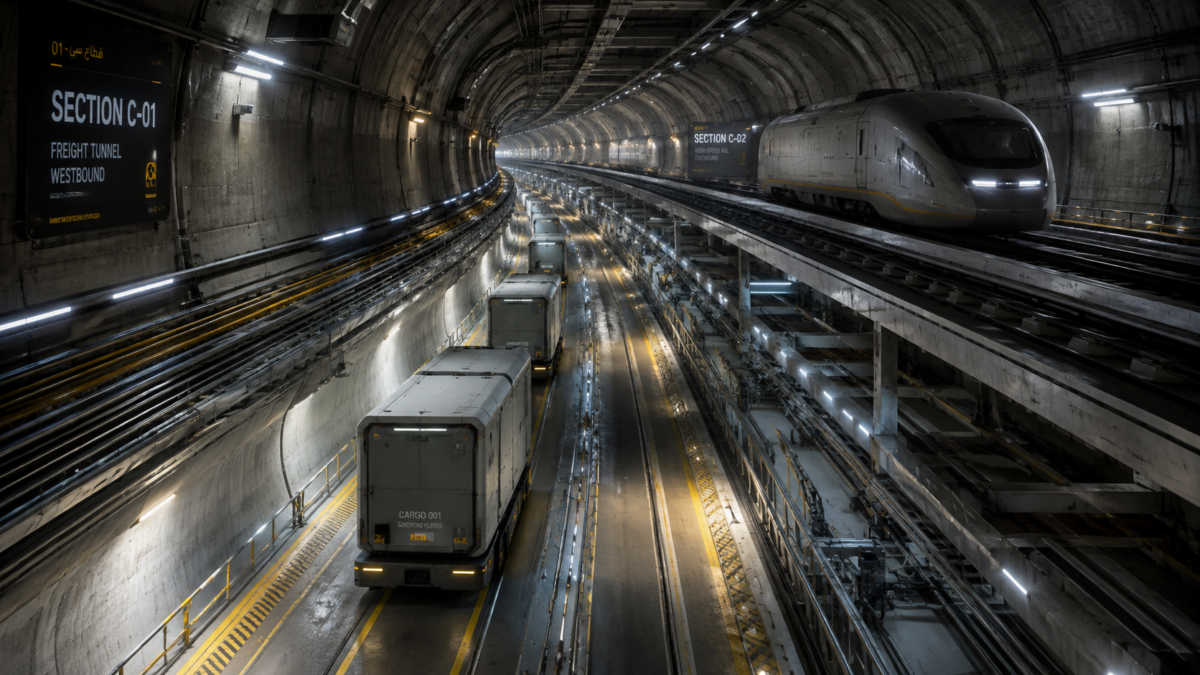
At the center of this logistics network is “The Spine,” a deeply embedded infrastructure layer housing high-speed rail systems and autonomous service channels. Running beneath the pedestrian layer, The Spine handles long-haul transport across the city’s modules. High-speed rail lines enable rapid cross-city transit, while specialized logistics channels support continuous, automated goods movement.
Below the primary mass transit tracks lies a dedicated service layer designed for autonomous delivery pods, automated waste management systems, and utility conduits. Heavy freight moves uninterrupted without crossing pedestrian flows, protecting public safety and maintaining a clean urban environment.
Cognitive AI and Real-Time Autonomous Management
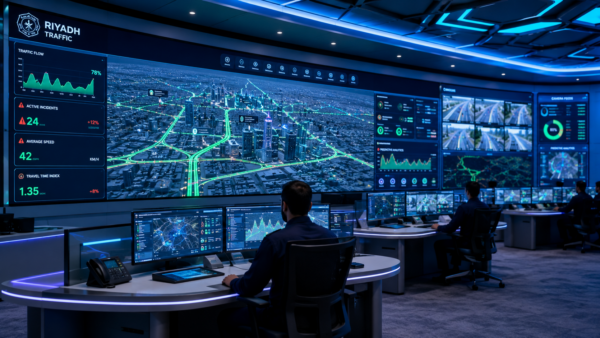
Underground hardware requires intelligent orchestration. The Line utilizes central AI coordination platforms that continuously analyze freight volumes, commuter flows, and delivery urgency. Autonomous logistics pods move through underground tunnels using real-time predictive scheduling, ensuring goods reach vertical distribution hubs without human intervention or traffic delays.
This cognitive network operates as a demand-driven system. Predictive algorithms monitor supply demands across residential, commercial, and industrial zones, automatically dispatching autonomous vehicles during low-demand windows to optimize energy usage and tunnel capacity.
Preserving the Surface: Zero-Gravity Urbanism
By moving physical transport underground, surface urban planning transitions toward “Zero-Gravity Urbanism”. Public facilities, parks, and residential spaces are arranged in vertical layers, ensuring that daily necessities, including school, work, and recreation, are reachable within a five-minute walk.
Removing asphalt streets eliminates urban heat islands, tailpipe emissions, and traffic accidents. The surface remains a quiet, green corridor, while subterranean autonomous transport maintains high-speed commercial connections across the region.
What This Means for the Kingdom
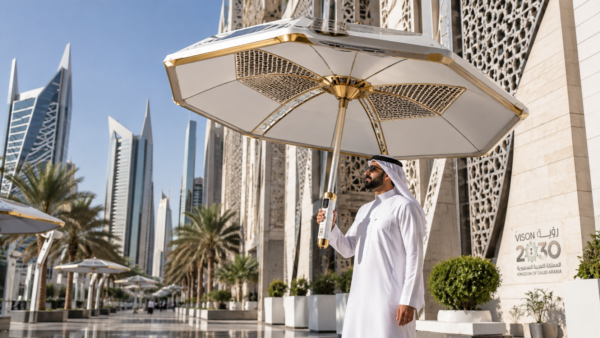
The Line’s subterranean transport architecture establishes Saudi Arabia as a leader in global urban engineering, advanced mobility, and smart supply chains. Alignment with Saudi Vision 2030 ensures that investment in NEOM accelerates local technology transfer, creates engineering opportunities, and establishes benchmark standards for zero-emission infrastructure.
For regional enterprises and technology partners, this model provides actionable insights into autonomous fleet management, underground infrastructure engineering, and cognitive urban governance. By removing surface infrastructure constraints, Saudi Arabia is pioneering a scalable framework for sustainable, high-density urban living.