Makkah Transformed: Greening Drive Plants 60,000 Trees to Support Vision 2030 Sustainability Goals
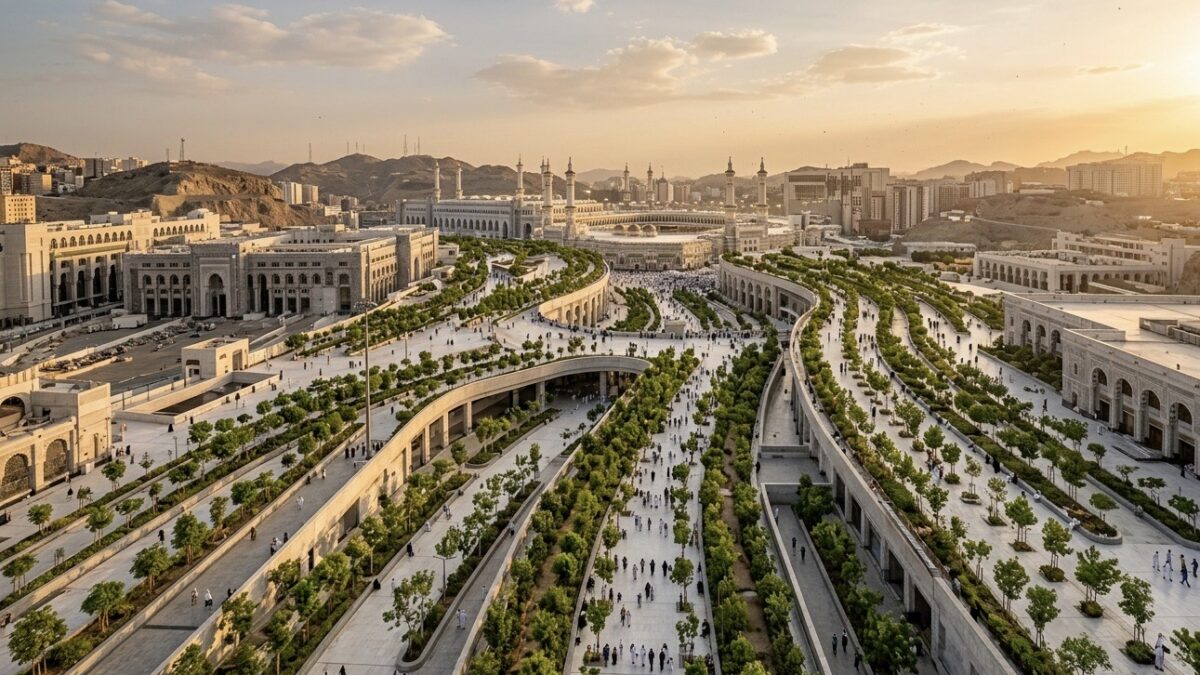
The Holy City of Makkah is undergoing a significant environmental metamorphosis. In a coordinated effort to align the pilgrimage experience with the Saudi Green Initiative, over 60,000 trees have been planted across holy sites. This movement, spearheaded by the Kidana Development Company, represents a strategic shift toward sustainable urban planning and environmental stewardship within the Kingdom’s most sacred geography.
Executive Summary
- Triple Growth: Green spaces have increased threefold compared to the previous Hajj season, directly improving microclimates for pilgrims.
- Phase Completion: Kidana Development Company successfully added 40,000 trees to an existing base of 20,000, reaching a 60,000-tree milestone.
- Eco-Tourism Expansion: Al-Mughmas Valley Park is being positioned as a premier destination for biodiversity conservation and nature-based tourism.
- Vision 2030 Integration: The project serves as a practical application of the Saudi Green Initiative’s mandate to balance rapid development with ecological preservation.
Strategic Urban Cooling and the Pilgrim Experience
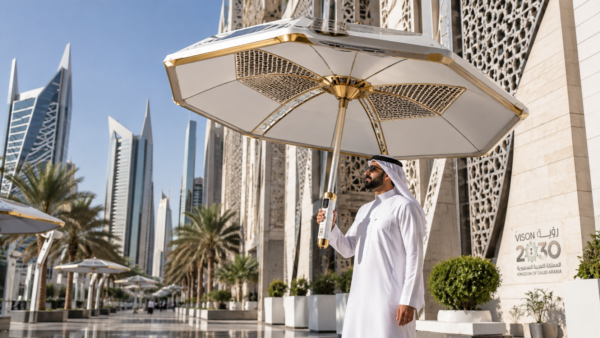
As part of the Royal Commission for Makkah City and Holy Sites’ broader mandate, the Kidana Development Company has prioritized the expansion of the city’s canopy cover. By increasing the density of local flora, the initiative aims to mitigate the “urban heat island” effect, creating a cooler and more comfortable environment for millions of visitors. This large-scale biological infrastructure project underscores the Kingdom’s commitment to improving the quality of life for residents and the spiritual journey of pilgrims alike.
Al-Mughmas Valley: A Benchmark for Eco-Tourism
Parallel to the urban greening of holy sites, the Al-Mughmas Valley Park has emerged as a critical site for regional biodiversity. The park is home to hardy, drought-resistant wild tree species specifically selected for their ability to thrive in high-temperature environments. By protecting these ecosystems, Saudi Arabia is not only preserving its natural heritage but also opening new avenues for environmentally responsible tourism. The park’s diverse terrain supports a complex web of wildlife, signaling a sophisticated approach to conservation that extends beyond the city center.
Conclusion: A Coordinated Approach to Sustainability
The synergy between large-scale afforestation and the promotion of natural reserves like Al-Mughmas reflects a mature, multi-faceted sustainability strategy. By integrating nature into the heart of its development plans, Makkah is setting a global standard for how historical and religious heritage sites can lead the way in environmental resilience and ecological innovation.