As Saudi Arabia accelerates toward its decarbonization targets under Clean Energy initiatives, the NEOM Green Hydrogen Company (NGHC) stands at the pinnacle of global renewable transition. Jointly owned by ACWA Power, Air Products, and NEOM, this multi-billion-dollar megaproject is designed to produce up to 600 tonnes of carbon-free hydrogen daily. At the heart of this operational breakthrough lies a meticulously integrated electrolyzer architecture capable of converting variable solar and wind power into continuous industrial output.
Executive Summary
- Gigawatt-Scale Integration: Over 2 GW of electrolysis capacity coupled directly with dedicated solar and wind farms in the Tabuk province.
- Technology Mix: Deployment of advanced Alkaline Electrolysis Units selected for industrial durability and continuous load management.
- Logistics and Carrier Strategy: Conversion of hydrogen into liquid green ammonia to simplify global transport and export logistics.
- Strategic Alignment: Direct contribution to Saudi Vision 2030 goals of diversifying energy exports and establishing regional technological supremacy.
The Technical Blueprint of NEOM’s Electrolyzer System
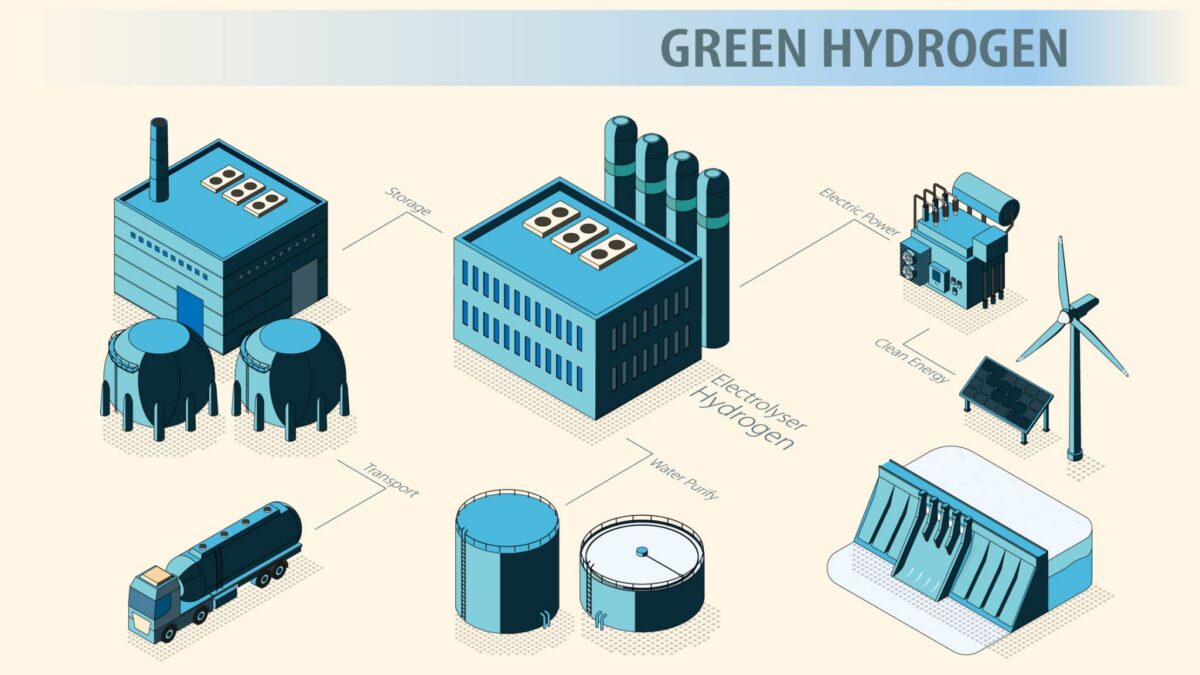
Scaling green hydrogen from megawatt pilot systems to a multi-gigawatt facility requires overcoming severe electrical intermittency. The plant integrates 4 gigawatts of combined solar photovoltaic and wind energy generation. This variable power flows through dedicated microgrids directly into the water electrolysis units, balancing real-time power fluctuations without overloading grid infrastructure.
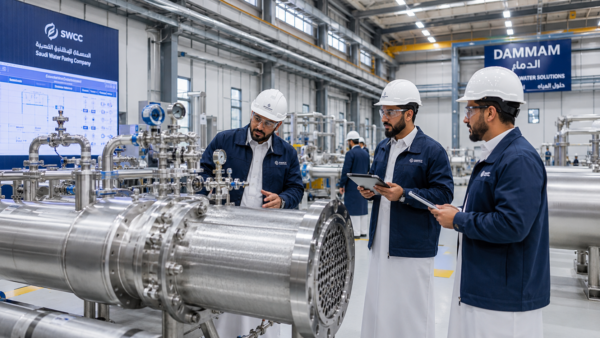
The core process relies on advanced alkaline electrolyzer stacks provided by industrial technology partners, including thyssenkrupp nucera. Alkaline systems were chosen over Proton Exchange Membrane (PEM) cells primarily due to their proven longevity, cost efficiency at scale, and high stability during sustained high-capacity operations. These stacks split purified seawater, produced by low-energy reverse osmosis, into high-purity hydrogen and oxygen gases.
Storage Architecture and Green Ammonia Logistics
Gaseous hydrogen poses substantial transport challenges over long distances. To solve the distribution vector, the facility routes raw hydrogen directly to air separation units, where nitrogen is extracted from ambient air. Using the classic Haber-Bosch process powered entirely by renewables, the hydrogen and nitrogen combine to yield green ammonia (NH3).
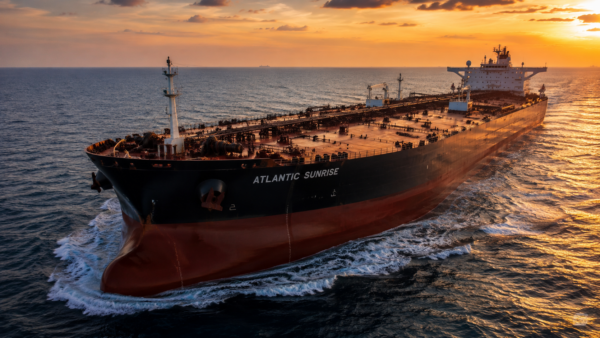
Liquid ammonia serves as an efficient energy carrier. It stores at significantly higher temperatures and lower pressures than liquid hydrogen, allowing safe shipment through existing international maritime infrastructure. Upon arrival at destination ports in Europe or Asia, the green ammonia can either be used directly for fertilizer and industrial applications or cracked back into hydrogen gas for fuel cell vehicles and power generation.
The Saudi Perspective: Driving Vision 2030 Leadership
The architectural success of ACWA Power’s electrolyzer installation firmly positions the Kingdom as the world’s primary exporter of green fuel. By securing early mover status in commercial hydrogen engineering, Saudi Arabia is establishing international standards for clean fuel pricing, grid-scale renewable integration, and heavy industrial decarbonization. This initiative directly advances the Saudi Green Initiative and codifies the country’s transition from traditional hydrocarbon export dominance to a multi-vector energy powerhouse.