Rising electricity costs and tightening ESG requirements are pushing more Saudi companies toward a financing model that used to be a niche option: solar leasing. Rather than buying and operating their own rooftop systems, businesses are increasingly letting developers finance, install, and run the panels, paying for the power instead of the equipment.
A report from Yellow Door Energy and Solarabic, Powering Saudi Arabia’s Future: The Business Case for Solar Energy, tracks the shift across the Kingdom’s industrial zones. One example cited is a 2 MW rooftop system built for packaging firm SIG across four rooftops in Riyadh’s Second Industrial City. The installation is expected to generate 3.5 million kWh a year and cut 1,300 tonnes of carbon emissions, with no capital outlay from SIG.
Why Leasing Is Winning Out Over Ownership
The traditional capital expenditure route, where a business owns and maintains its own solar system, still offers strong long-term returns. But the upfront cost and ongoing maintenance burden have made it a harder sell for companies focused on near-term margins. Leasing flips that equation: developers earn based on how much power the system produces, which keeps them motivated to maximize uptime, while the client gets a turnkey setup covering permitting, installation, and maintenance without touching their balance sheet.
Regulatory changes are reinforcing the trend. Under Saudi Arabia’s net billing system, companies can sell excess solar power back to the grid at wholesale rates. Self-consumption rules also let firms generate up to 30 MWp on-site, cutting reliance on diesel generators and reducing grid fees.
The Vision 2030 Connection
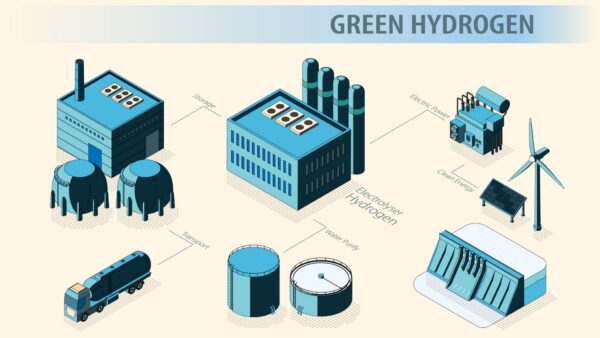
The push toward rooftop solar sits squarely inside Saudi Arabia’s broader Vision 2030 energy targets: 40 GW of solar capacity by 2030 and a goal of drawing half the country’s electricity from renewables. The Liquid Fuel Displacement Program, which aims to replace a million barrels of oil per day with renewable sources, adds further pressure on sectors like desalination, manufacturing, and logistics to decarbonize. That same push is visible elsewhere in the Kingdom’s energy mix, from ACWA Power’s green hydrogen export rights to large-scale grid investments.
Yellow Door Energy’s Middle East CEO, Hisham Alhegelan, framed solar leasing as more than a financing tweak, describing it as a way for businesses to build energy resilience while staying aligned with Vision 2030’s direction.
ESG Pressure Adds a Financial Incentive
Beyond energy costs, exporters face growing pressure from frameworks like the EU’s Carbon Border Adjustment Mechanism. Companies that can show real progress on decarbonization are better positioned for green bonds, sustainability-linked loans, and supply chain relationships that increasingly screen for ESG performance. Consumer sentiment is moving in the same direction. The report notes that 74 percent of Saudis under 30 say they prefer sustainable brands, giving companies another reason to treat rooftop solar as a brand decision as much as an energy one.
The Bigger Picture
With solar module prices down roughly 40 percent and battery storage costs down close to 90 percent over the past decade, hybrid solar-storage setups are becoming a realistic round-the-clock alternative to grid power, a shift also playing out at utility scale through projects like SPPC’s 12 GWh battery storage tender. Yellow Door Energy alone has delivered more than 400 MWp of awarded projects across the Middle East and Africa, serving over 90 commercial clients. For Saudi businesses weighing whether to act now, the combination of falling costs, tightening regulation, and rising ESG expectations makes rooftop solar leasing less a sustainability nice-to-have and more a straightforward cost and resilience decision.
For more on the Kingdom’s renewable energy buildout, see our Clean Energy coverage.