Diplomatic Shift: Iran Proposes ‘Serious Review’ of Gulf Relations Amid Rising Regional Tensions
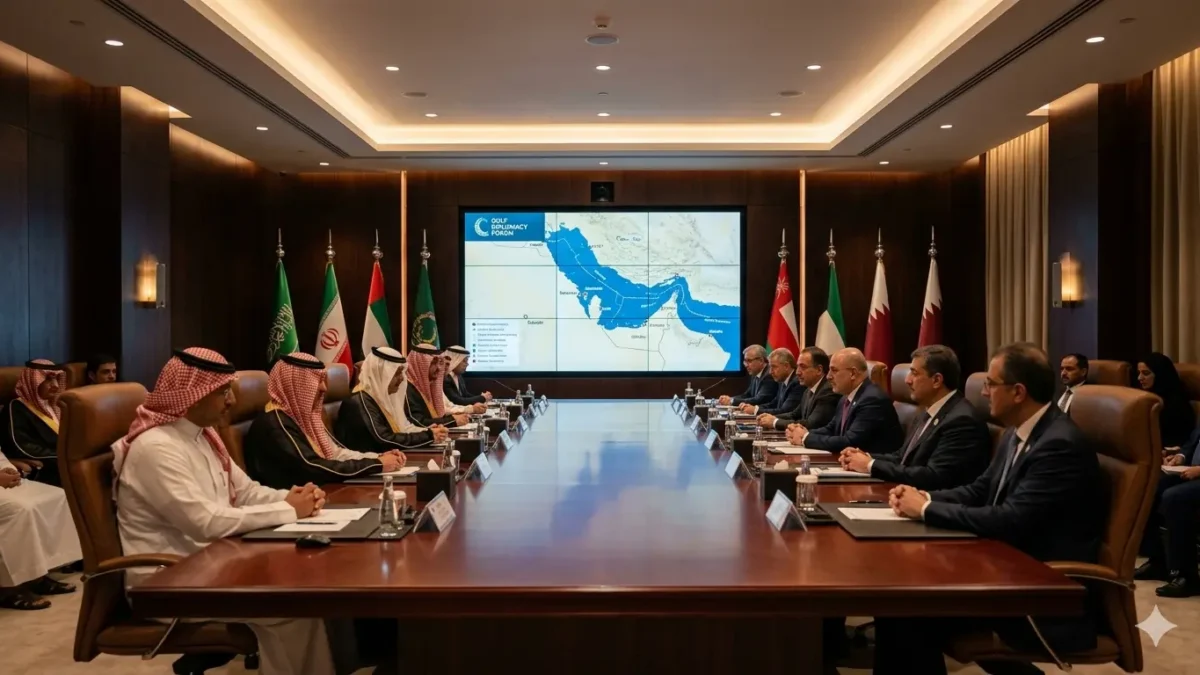
In an exclusive dialogue with Reuters, Alireza Enayati, Iran’s Ambassador to Saudi Arabia, has called for a fundamental “serious review” of relations between Tehran and the Gulf Cooperation Council (GCC) member states. Citing the pressures of external geopolitical conflicts, Enayati advocated for a regional security architecture that minimizes reliance on foreign powers to ensure long-term prosperity.
Executive Summary
- Diplomatic Call: Iran seeks a “serious review” of ties with Gulf neighbors to mitigate the impact of external military escalations.
- Denial of Responsibility: Tehran officially denies involvement in recent drone and missile strikes targeting Saudi oil infrastructure, including Ras Tanura and Shaybah.
- Regional Sovereignty: Enayati emphasized that the region’s instability stems from five decades of “exclusionary approaches” and over-reliance on external security guarantors.
- Ongoing Cooperation: Despite tensions, Saudi-Iranian diplomatic channels remain active, focusing on pilgrimage logistics and medical assistance.
De-escalation and the Infrastructure Challenge
The Gulf region has navigated a volatile security landscape, recording over 2,000 missile and drone incidents since late February. While targets have included diplomatic missions and military bases, the focus on critical energy infrastructure in Saudi Arabia’s Eastern Province has raised significant alarms for global markets. Ambassador Enayati clarified Tehran’s stance, asserting that Iran is not the party responsible for these specific strikes against the Saudi oil sector, noting that Iran would claim responsibility for its military actions if they were the perpetrators.
The Ambassador further highlighted that Iran remains in contact with Riyadh regarding the Kingdom’s stated position that its territory—land, sea, and air—will not be utilized as a staging ground for external attacks against Iran.
The Saudi Perspective: Navigating Vision 2030 Amid Regional Volatility
For Saudi Arabia, the stability of the Eastern Province is the bedrock of the global energy supply chain and a vital component of the Vision 2030 economic diversification strategy. Any disruption to facilities like Ras Tanura or Shaybah directly impacts the Kingdom’s ability to fund large-scale transformation projects. While Iran calls for a “serious review” of News and diplomatic ties, Riyadh continues to balance its restored diplomatic relations with Tehran against the absolute necessity of defending its sovereign borders and critical assets. For B2B leaders and enterprise stakeholders, this diplomatic maneuvering underscores the importance of localizing defense tech and enhancing industrial resilience to safeguard the Kingdom’s path toward a “prosperous region” free from external disruptions.