Diplomatic Surge: Saudi Crown Prince and Pakistan PM Strategize on Regional Stability
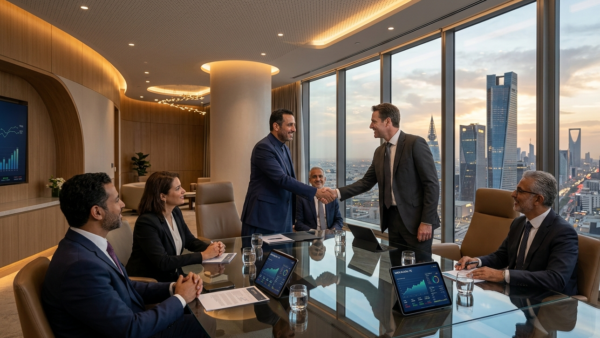
In a high-stakes diplomatic engagement, His Royal Highness Crown Prince Mohammed bin Salman received a critical phone call from Pakistan’s Prime Minister Shehbaz Sharif on Wednesday. The dialogue centered on the rapidly intensifying military escalation in the Middle East and the urgent need for a multi-lateral mediation framework to safeguard global security and economic interests.
Executive Summary
- Strategic Solidarity: PM Shehbaz Sharif reaffirmed Pakistan’s “unwavering commitment” to standing with the Kingdom against threats to its sovereignty.
- Mediation Role: Pakistan has officially offered to host talks between the U.S. and Iran in Islamabad to de-escalate the ongoing conflict.
- Economic Stakes: The leaders discussed the repercussions of the conflict on global stability, particularly regarding energy corridors and trade routes.
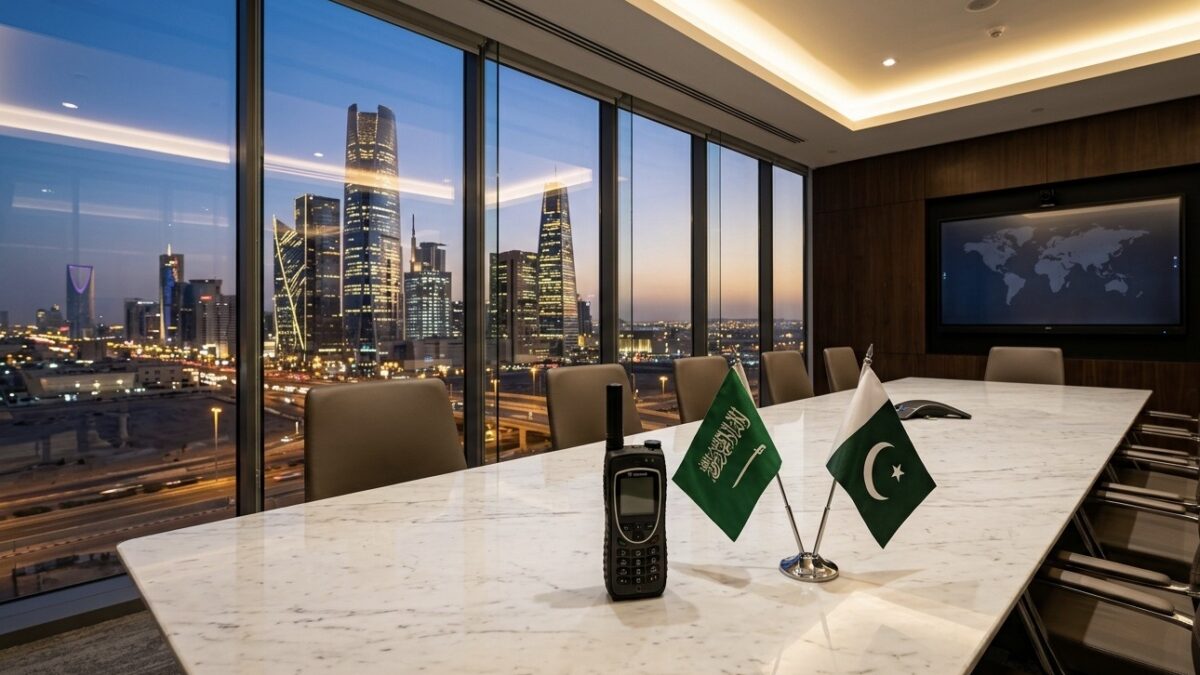
- Defense Pact: The discussion underscores the 2025 Strategic Mutual Defence Agreement (SMDA) between Riyadh and Islamabad.
The call comes at a pivotal moment as the regional landscape faces unprecedented volatility. Prime Minister Sharif briefed the Crown Prince on Pakistan’s recent diplomatic outreach, positioning the South Asian nuclear power as a neutral bridge between Tehran and Washington. This follows a period of intense military activity, including U.S. and Israeli strikes, and threats directed at critical energy infrastructure in the Gulf.
Brokering Peace: The Islamabad-Riyadh Axis
According to the Saudi Press Agency (SPA), the two leaders reviewed “the latest regional developments and the efforts being made” to contain the fallout of the current war. The Prime Minister’s offer to facilitate dialogue follows reports of “productive” but unconfirmed initial contacts between the U.S. administration and Iranian representatives. For Saudi Arabia, the priority remains the protection of its industrial hubs and the continuity of its national transformation projects.
The Saudi Perspective: What This Means for the Kingdom
For Saudi Arabia, regional stability is not merely a diplomatic preference—it is a foundational requirement for Vision 2030. As the Kingdom transitions into a global hub for investment, logistics, and technology, any prolonged military escalation in the Gulf threatens the flow of foreign direct investment (FDI) and the security of giga-projects like NEOM and the Red Sea Global developments.
The Kingdom’s reliance on the Strategic Mutual Defence Agreement with Pakistan highlights a shift toward regional collective security. By backing Pakistan’s mediation efforts, Riyadh is utilizing “soft power” diplomacy to mitigate “hard power” risks. This alignment ensures that the Kingdom remains a “safe harbor” for enterprise tech leaders and C-suite executives who are increasingly looking at Saudi Arabia as the primary gateway to the Middle Eastern market.
Geopolitical Impacts on Enterprise Tech
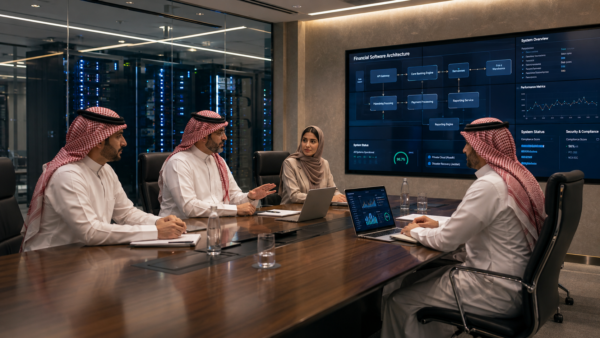
The ongoing escalation has already seen a massive U.S. military buildup, with thousands of troops from the 82nd Airborne Division being deployed. For the B2B sector, this necessitates a heightened focus on supply chain resilience and cybersecurity. Leaders in the GCC are advised to monitor these diplomatic developments closely, as a successful mediation led by Pakistan and backed by Saudi Arabia could significantly lower the risk premium for regional infrastructure projects.