Agricultural Innovation in Najran: Red Guava as a Strategic Pillar for Saudi Food Security
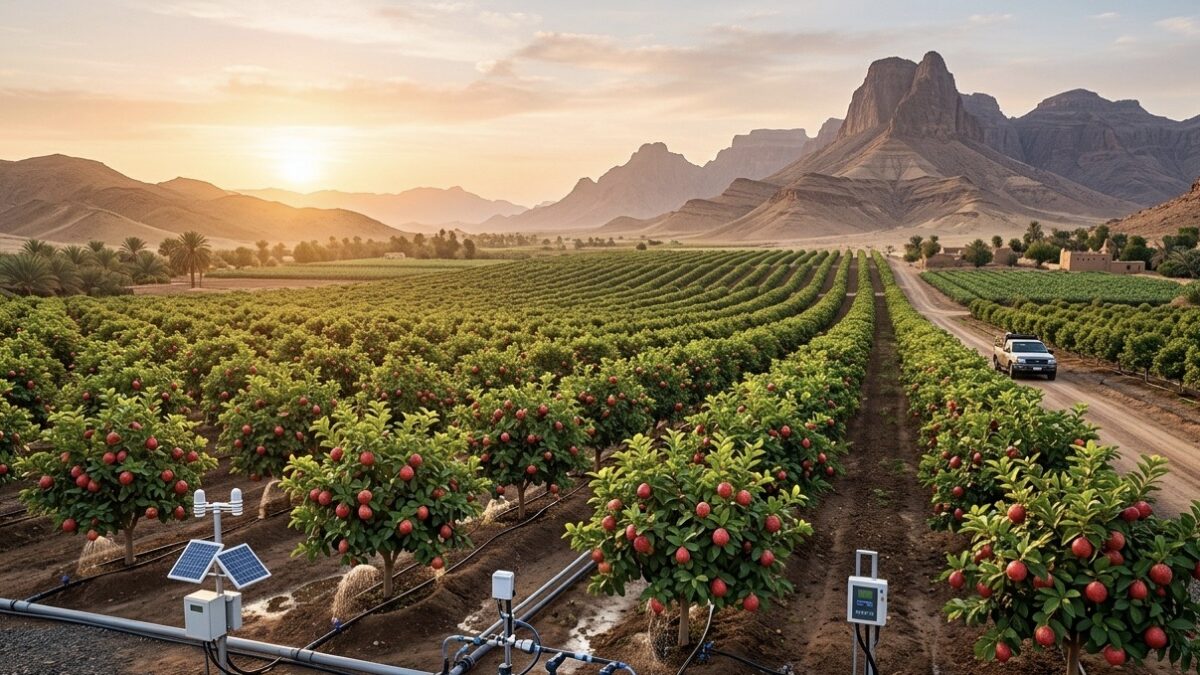
The agricultural landscape of Najran Province is witnessing a significant transformation, positioning the region as a critical contributor to the Kingdom’s national food security and economic diversification. Leveraging a unique moderate climate, fertile soil, and sustainable water resources, the region has successfully cultivated red guava as a signature produce with high commercial viability.
Executive Summary
- Production Scale: Najran currently hosts approximately 7,000 productive red guava trees.
- Investment Viability: The crop has emerged as a high-yield investment opportunity within the regional agricultural sector.
- Strategic Alignment: Cultivation efforts are directly integrated with Saudi Vision 2030 objectives for self-sufficiency.
- Institutional Support: The Ministry of Environment, Water and Agriculture (MEWA) is providing advanced technical support to modernize local farming practices.
Murih Al-Shahrani, Director General of the MEWA branch in Najran, highlighted that the region is undergoing an “agricultural transformation” fueled by leadership support. The success of the red guava crop is a testament to the synergy between local environmental conditions and modern technical interventions provided by the ministry.
Driving the AgTech and Processing Sectors
Beyond raw production, the proliferation of red guava in Najran is acting as a catalyst for the secondary processing industry. By creating high-quality, high-volume output, the region is opening doors for localized manufacturing, juice production, and sustainable packaging enterprises. These developments are vital for creating new employment opportunities and reducing reliance on food imports.
The Saudi Lens: Cultivating Food Sovereignty
In the context of Vision 2030, the focus on specific high-value crops like the red guava represents a shift toward specialized, data-driven agriculture. For enterprise leaders and B2B investors, Najran offers a blueprint for how regional provinces can develop niche agricultural identities that contribute to the national News of food sovereignty. The integration of technical support from MEWA ensures that these farms achieve international quality standards, making the produce competitive for both domestic consumption and potential future export markets.
This localized success story reinforces the Kingdom’s broader strategy of utilizing diverse regional climates to ensure a resilient and diversified national food basket.