NCW Unveils Megaproject Package to Accelerate Saudi Ecotourism Infrastructure
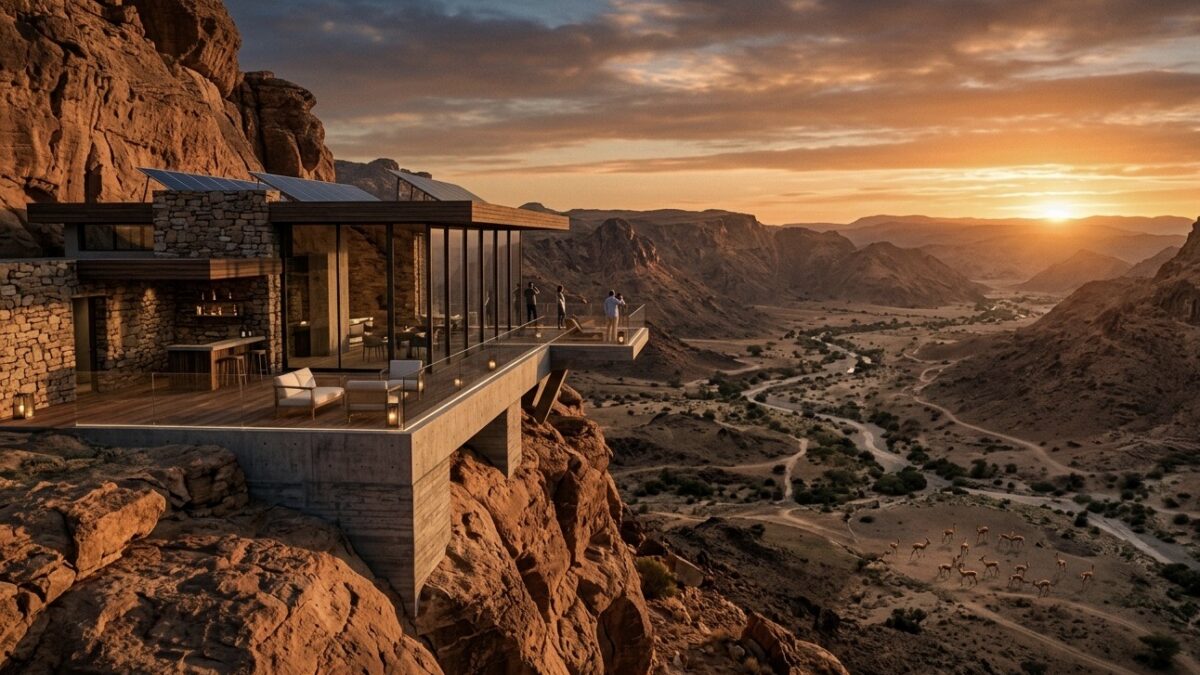
Saudi Arabia’s National Center for Wildlife (NCW) has officially announced a sweeping new package of ecotourism infrastructure initiatives, signaling a massive scale-up in the Kingdom’s sustainable tourism and biodiversity layout. Reported initially by the Saudi Press Agency (SPA), these projects are deliberately architected to fuse deep-rooted environmental conservation with low-impact commercial hospitality, introducing elite safari destinations and highly regulated birdwatching infrastructure across prime ecological corridors.
Executive Summary
- Strategic Expansion: Launch of landmark safari models in Taif and Thadiq alongside custom bird sanctuaries within protected national reserves.
- Sovereign Conservation Goals: Driven by the National Center for Wildlife (NCW) to scale protected land mass and safeguard key species like the endangered Arabian gazelle.
- Economic Diversification: Direct alignment with Saudi Vision 2030, targeting high-yield, sustainable tourism frameworks that stimulate regional gross domestic product (GDP).
- Technological and Environmental Integration: Transforming vulnerable ecosystems into highly monitored, self-sustaining educational and recreational hubs.
The newly approved framework expands high-end conservation tourism deeply into the interior and coastal frameworks of the Kingdom. Chief among the developments are brand-new safari experiences deployed within the distinct topographies of Taif and Thadiq. Simultaneously, the NCW is establishing critical infrastructure for avian observation, deploying specialized bird sanctuaries across select national parks alongside dedicated birdwatching stations in the internationally recognized Farasan Islands Reserve.
Driving the Giga-Scale Conservation Agenda
This infrastructure pipeline represents an institutional shift in how the GCC handles public-interaction models within vulnerable biomes. According to senior environmental officials, these projects move past basic preservation, deploying an advanced, globally certified blueprint that embeds educational tourism into raw natural habitats. The primary economic thesis relies on transforming these bioclusters into long-term income generators without degrading baseline ecological integrity.
By upgrading these zones, the Kingdom is aggressively solving for biodiversity markers that tie directly into macro sovereign mandates. The National Center for Wildlife intends for these sites to support localized habitat restoration programs, ensuring that private and public capital inflows from eco-centric travelers directly fund species reintroduction and advanced field research.
The Saudi Lens: Alignment with Vision 2030 and SGI
While global ecotourism often relies on passive conservation, Saudi Arabia’s approach is a highly active, state-backed deployment led by tier-one organizations like the NCW and local Royal Decrees. This initiative directly underpins the hyper-ambitious targets of the Saudi Green Initiative (SGI) and the broader Vision 2030 framework, which mandates expanding the Kingdom’s protected areas to 30% of its total landmass.
For enterprise leaders, clean energy developers, and public sector stakeholders, this development signals a significant opening for public-private partnerships (PPPs) in smart green infrastructure, eco-lodge engineering, and sustainable mobility systems. Key focus assets like the Farasan Islands Reserve—famed for its complex marine biology, vital migratory avian flyways, and the critical Arabian gazelle—will serve as live corporate templates for world-class conservation management, cementing the Kingdom’s role as a major hub for global environmental research and premium sustainable travel.