Saudi Arabia Deploys Advanced GovTech Infrastructure to Protect 1.7 Million Hajj Pilgrims
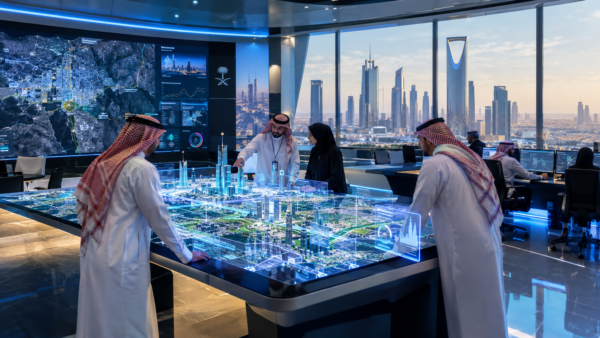
As part of its ongoing digital transformation under Saudi Vision 2030, the Ministry of Interior’s General Directorate of Medical Services has deployed a highly sophisticated, technology-driven healthcare ecosystem for this year’s Hajj season. Serving over 1.7 million pilgrims, the initiatives showcase how the Kingdom is leveraging advanced GovTech infrastructure to manage large-scale public safety and emergency health operations during one of the world’s largest annual gatherings.
Executive Summary
- Critical Care Scale: A fully equipped field hospital in Arafat supports over 1.7 million pilgrims and security personnel with 24/7 emergency response teams.
- Advanced Medical Facilities: The site features 110 specialized beds dedicated to cardiac resuscitation, isolation, and heat stress management.
- Telehealth Integration: Remote consultation capabilities connect field medics with hospital specialists for rapid, real-time diagnostic decisions.
- Vision 2030 Alignment: The deployment highlights the intersection of public safety, digital health, and national infrastructure modernization.
Smart Infrastructure at the Core of Pilgrim Safety
Strategically positioned in front of the Namirah Mosque—a high-density gathering point in Arafat—the state-of-the-art field hospital serves as a critical node in the Kingdom’s regional defense against healthcare crises. Supervised by Dr. Mustafa Baljoon, head of the Security Forces Hospital program in Makkah, the facility is backed by a dedicated team of 250 physicians, nurses, and administrative support staff operating continuously around the clock.
The facility’s architecture is specifically engineered to handle the unique environmental and logistical challenges of the pilgrimage. Beyond standard triaging, the hospital includes specialized intensive care units (ICUs), operational theaters, isolation units, and climate-controlled heat stress treatment rooms designed to combat extreme summer temperatures.
Telemedicine and Mobile Fleet Innovations
To extend its operational reach beyond physical walls, the Ministry has integrated advanced telecommunications into its medical framework. Dedicated on-site doctors utilize secure, high-bandwidth communication channels to provide remote consultations to field medics operating within crowded zones. This real-time diagnostic pipeline ensures that critical care decisions—such as cardiac interventions—can be made within the vital “golden hour.”
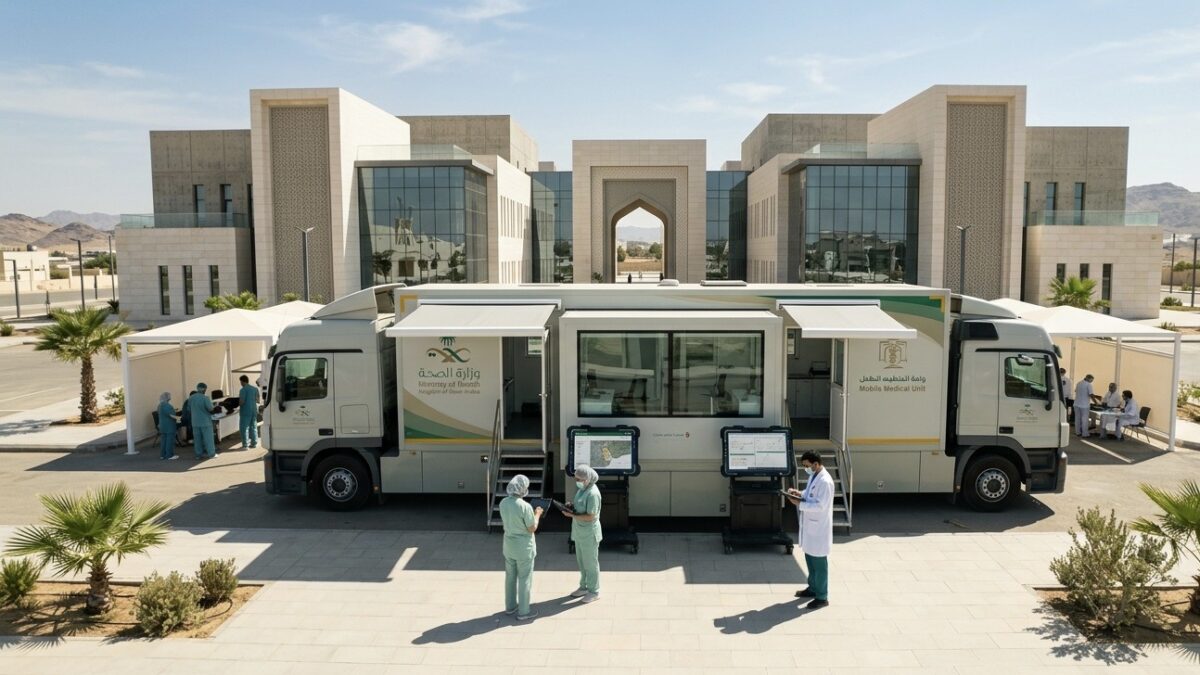
Complementing this digital grid is a fleet of mobile field clinics equipped with advanced life-support technologies. These mobile units act as agile rapid-response assets, navigating dense pedestrian crowds to stabilize patients before transport to central hubs.
Amplifying Vision 2030 and National Stakeholders
This comprehensive deployment underscores the massive strides made by Saudi Arabia’s public sector in merging technology with civic administrative duties. Driven by leadership directives, the integration of smart medical infrastructure directly fulfills the objectives of the Pilgrim Experience Program—a core pillar of Saudi Vision 2030. By synthesizing the logistics of the Ministry of Interior with next-generation medical tech, the Kingdom continues to set global benchmarks for crowd management, institutional readiness, and public sector digital transformation.