AlUla Emerges as a Hub for Premium Saffron Production in Saudi Arabia
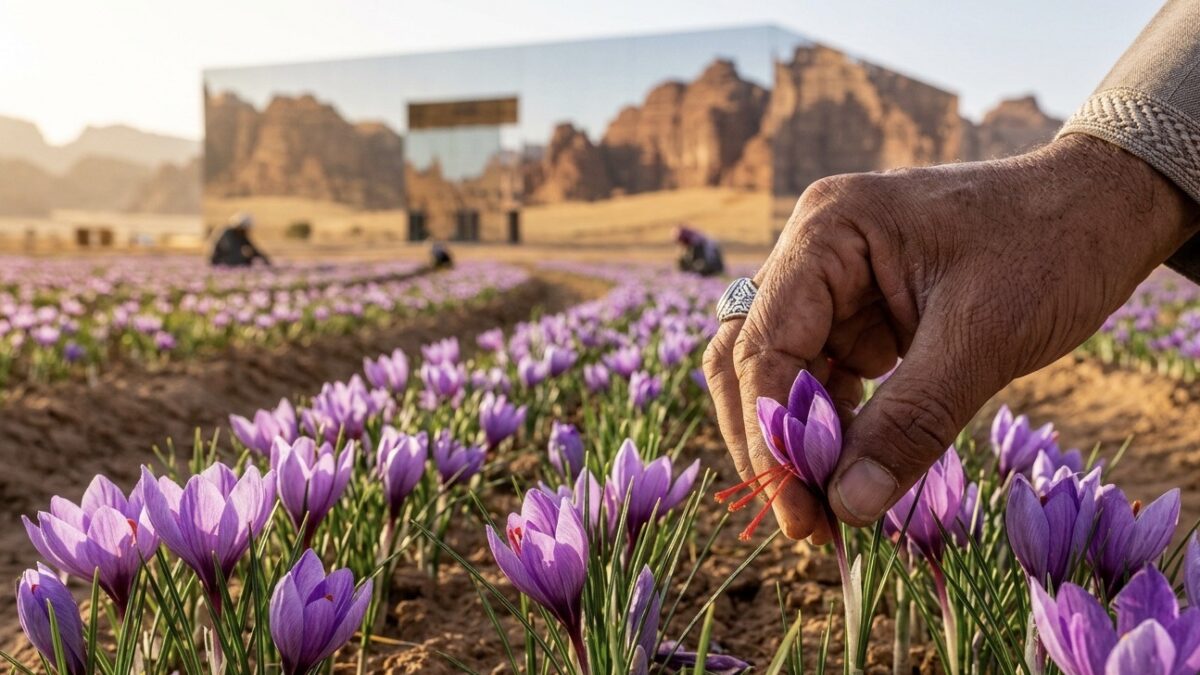
The agricultural landscape of AlUla is undergoing a high-value transformation as saffron cultivation trials yield premium-grade results. This strategic expansion is part of a broader national effort to diversify crop production and leverage the unique environmental conditions of the AlUla governorate to produce “red gold” for regional and international markets.
Executive Summary
- Quality Standards: AlUla’s saffron production has achieved ISO 3632 certification, meeting international premium-grade benchmarks.
- Strategic Partnership: The initiative is led by the National Research and Development Center for Sustainable Agriculture (Estidamah) in collaboration with King Saud University.
- Scaling Impact: Over 500,000 saffron corms have been distributed to local farmers, with trials successfully implemented across 40+ farms.
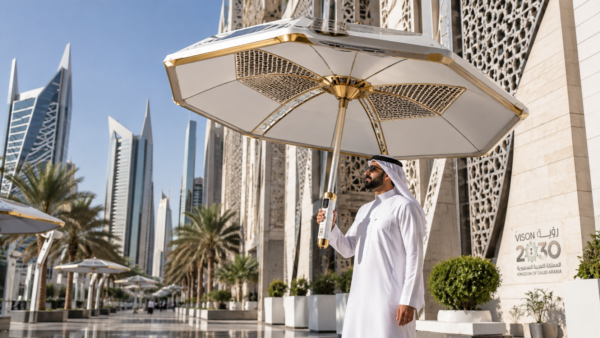
- Vision 2030 Alignment: The project enhances agricultural sustainability and introduces high-return value chains to the local economy.
The localization of saffron, managed under the Estidamah project, began in 2024. By combining scientific field trials with the Ministry of Environment, Water and Agriculture’s (MEWA) technical oversight, the project has proven that AlUla’s soil chemistry and climate are ideal for this high-revenue crop.
Advanced Agritech and Specialized Training
Success in AlUla is attributed to an integrated support system that moves beyond simple seed distribution. Participating farmers receive comprehensive technical guidance, ranging from soil preparation and specialized irrigation to precise harvesting and processing techniques. This data-driven approach ensures that the labor-intensive cultivation of saffron maintains the high efficiency required for commercial viability.
Farmer Afat Al-Anazi, a participant in the program, noted that continuous specialist follow-up has significantly refined local agricultural practices. “The support has yielded tangible improvements in production quality,” Al-Anazi stated, encouraging other landowners to pivot toward high-return crops to boost the national economy.
Economic Diversification Through High-Value Crops
The introduction of saffron represents a significant shift in the Kingdom’s agricultural strategy. By focusing on low-water, high-value products, Saudi Arabia is optimizing its land use for maximum economic return. This project is a flagship example of how News regarding localized production can reduce import dependency while creating specialized jobs in the agritech sector.
As AlUla continues to establish itself as a premier destination for heritage and film, its evolution into a hub for luxury agricultural products adds another layer to the region’s sustainable development and its contribution to the Kingdom’s non-oil GDP.