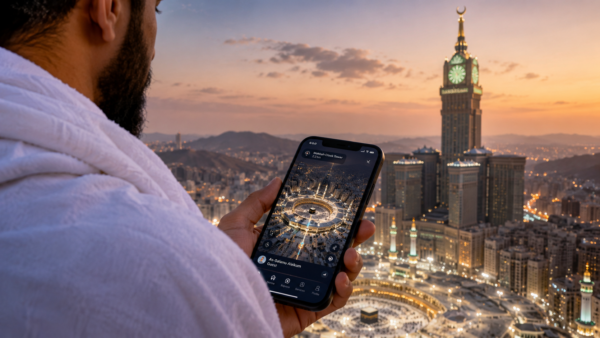
Ministry of Interior Reaffirms ‘No Hajj Without a Permit’ Mandate for 2026 Season
As the Kingdom of Saudi Arabia prepares for the 1447 AH Hajj season, the Ministry of Interior (MoI) has issued a stern directive regarding the strict prohibition of performing Hajj on any form of visit visa. Highlighting the priority of pilgrim safety and operational efficiency, authorities have reinforced that visit visas—including tourist, family, and business categories—do not grant access to Makkah or the holy sites during the designated Hajj period.
- Regulatory Compliance: Visit visas are strictly prohibited for Hajj; only official Hajj permits and visas are valid.
- Heavy Penalties: Fines of up to SR100,000 ($27,000) for transporting unauthorized individuals.
- Asset Seizure: Vehicles used to transport illegal pilgrims will be confiscated by the state.
- Deportation Protocols: Overstayers and unauthorized pilgrims face immediate deportation and long-term re-entry bans.
Enhanced Enforcement and Financial Penalties
The Saudi Press Agency (SPA) reported that the Ministry has mobilized security checkpoints across all entry points to Makkah. Under the latest enforcement protocols, individuals caught transporting visit-visa holders for Hajj rituals will face a tiered penalty system, culminating in a SR100,000 fine. Furthermore, the Ministry warned that the financial burden is paired with administrative sanctions, including the naming and shaming of offenders in local media.
For individuals attempting to enter Makkah without a permit, a standard fine of SR20,000 has been established for the 2026 season. These measures are designed to prevent overcrowding and ensure that the Kingdom’s multi-billion riyal infrastructure can safely accommodate the millions of legitimate pilgrims arriving via the Nusuk platform.
The Saudi Perspective: Safeguarding Vision 2030’s Pilgrimage Goals
This regulatory crackdown is a critical pillar of the Pilgrim Experience Program, one of the primary realizations of Saudi Vision 2030. By strictly regulating the flow of people through digital permits and rigorous border controls, the Ministry of Interior is protecting the integrity of the Kingdom’s digital transformation in the religious tourism sector. For B2B stakeholders and GovTech providers, these measures underscore the increasing reliance on biometric verification and AI-driven crowd management systems to maintain national security and public health standards during the world’s largest annual gathering.
Reporting and Public Cooperation
The MoI has called upon the public and the expatriate community to act as partners in security. Citizens and residents are urged to report any suspected violations or illegal transport services by contacting 911 in the Makkah, Madinah, Riyadh, and Eastern Provinces, or 999 for the remainder of the Kingdom. Compliance is not merely a legal requirement but a fundamental contribution to the success of the Hajj season.