Tokyo. Mitsubishi Power, the power solutions brand of Mitsubishi Heavy Industries (MHI), has secured a major infrastructure modernization contract in Saudi Arabia. The energy engineering giant will supply advanced boiler components to convert existing heavy oil-fired thermal power plants into highly efficient dual-fuel facilities. This strategic upgrade enables the facilities to transition seamlessly between natural gas and heavy oil, directly supporting the Kingdom’s absolute pivot toward optimized utility management and grid stabilization.
Executive Summary
- Scale of Impact: Modernization of two massive 2.9 GW facilities (Jeddah South and Shuqaiq), covering a combined 5.8 GW of critical grid capacity.
- Consortium Partners: Executed via Dar Al Balad Contracting and Operations (DAB) and Mitsubishi Corporation Machinery.
- Vision 2030 Alignment: Advances the national mandate to scale natural gas to over 50 percent of the domestic power generation mix.
- Sustainability Metrics: Substantial reduction in baseline CO₂ emissions and optimized fuel efficiency along the Kingdom’s critical western coast.
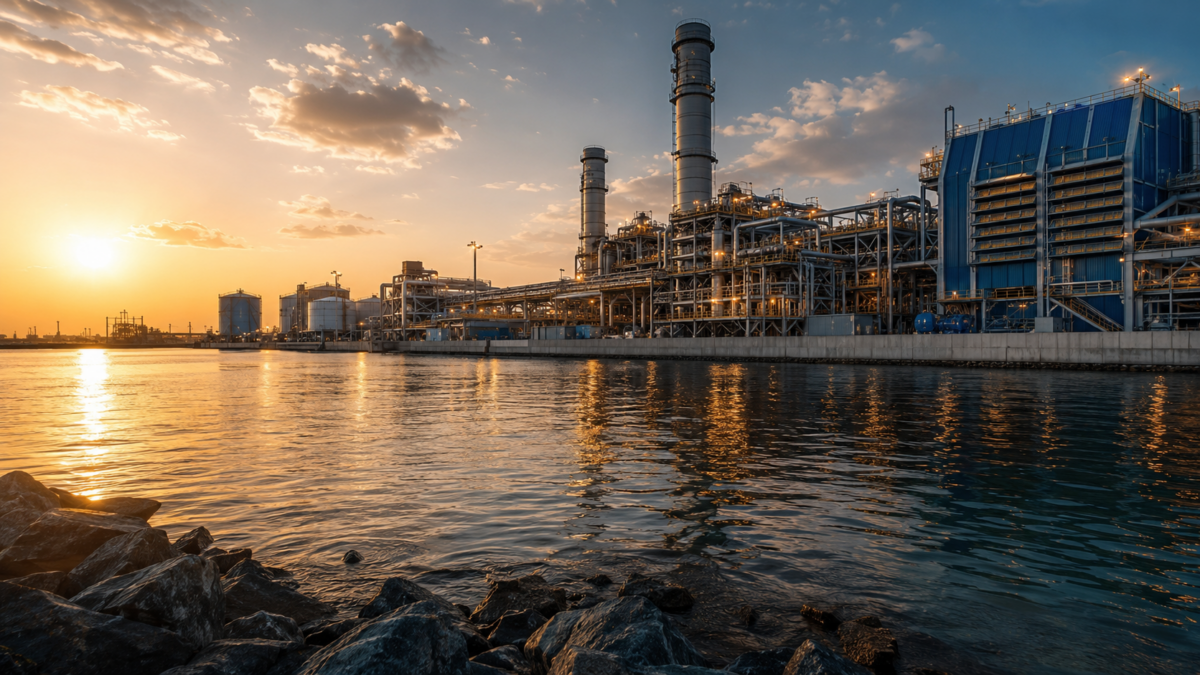
The project focuses on two of Saudi Arabia’s most vital energy assets: the Jeddah South Power Plant and the Shuqaiq Power Plant. Located along the strategically critical western coast, each facility generates approximately 2.9 GW across four power units that entered commercial service in 2017. As the Original Equipment Manufacturer (OEM) for the baseline boiler infrastructure, Mitsubishi Power will utilize its proprietary engineering insights to execute the complex dual-fuel transition without sacrificing operational uptime.
Driving the Over-50% Natural Gas Mandate
This initiative directly supports Saudi Arabia’s national objective of restructuring its domestic energy mix. By replacing heavy liquid fuels with cleaner-burning natural gas, the project accelerates the Kingdom’s baseline decarbonization trajectory. The transition is designed to significantly lower greenhouse gas output, optimize power plant thermal efficiency, and insulate the local grid against supply fluctuations.
The western region of Saudi Arabia continues to exhibit accelerating industrial and residential electricity demand. Historically reliant on traditional oil-fired generation, updating these foundational plants represents a cost-efficient strategy to achieve aggressive environmental benchmarks. Rather than decommissioning functional assets, the modernization pathway reduces capital expenditure while delivering immediate emissions relief, a pragmatic model echoed elsewhere in the Kingdom’s green mega-project pipeline.
Strengthening Industrial Sustainability
Makoto Fujita, Senior General Manager of the Steam Power Business Division at Mitsubishi Heavy Industries, noted that the Jeddah South and Shuqaiq plants are central to the Western grid’s baseline reliability. He emphasized that Mitsubishi Power is dedicated to deploying its technical expertise to ensure a seamless fuel transition while guaranteeing the long-term, stable operations of both critical utility hubs.
By scaling up optimized brownfield transformations, the Kingdom is demonstrating a pragmatic approach to industrial sustainability. This engineering strategy minimizes capital waste while accelerating the integration of sustainable technologies across heavy industry. To explore similar sustainability initiatives, decision-makers can monitor updates directly through the Clean Energy ecosystem hub on SaudiFutureTech.
For more detailed technical specifications on these utility systems, visit the official Mitsubishi Heavy Industries press release.