Global oil markets experienced renewed volatility on Monday as escalating military exchanges between the United States and Iran reignited deep-seated anxieties over the stability of energy infrastructure. The sudden uptick in geopolitical friction directly disrupted trading sentiment, pushing Brent crude futures past the $72 per barrel threshold, while US West Texas Intermediate (WTI) tracked a similar upward trajectory.
Executive Summary
- Geopolitical Escalation: Renewed retaliatory strikes between Washington and Tehran have compromised a recently established interim peace framework.
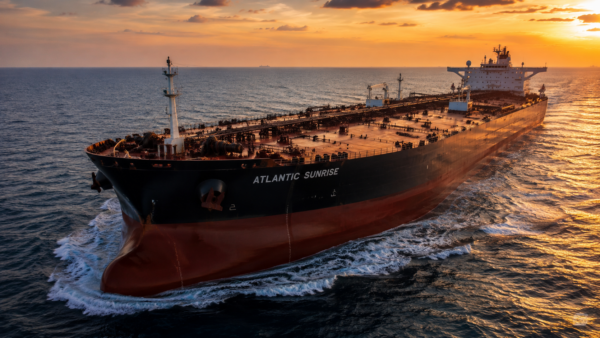
- Chokepoint Vulnerability: Maritime safety concerns in the Strait of Hormuz have temporarily slowed commercial vessel traffic, introducing a fresh risk premium to crude pricing.
- Saudi Stabilization: The Kingdom has successfully resumed crude loadings at the critical Ras Tanura export terminal, reinforcing its role as the ultimate guarantor of global energy security.
Strait of Hormuz Under the Microscope
The core catalyst for the market shift resides in the vulnerability of the Strait of Hormuz, an indispensable maritime artery facilitating the transit of a significant percentage of the world’s petroleum liquids. The recent friction, breaking a brief period of diplomatic calm that had seen oil prices steadily decline for three consecutive weeks, serves as a stark reminder of how rapidly shipping corridors can contract under geopolitical duress.
While macro-analysts note that both state actors have signaled a willingness to de-escalate and return to maritime security negotiations, the threat of localized asymmetrical attacks on commercial vessels continues to force compliance officers and insurance underwriters to adjust risk models. This friction directly restricts the fluid movement of logistics, temporarily reversing recent gains in regional shipping productivity.
What This Means for the Kingdom
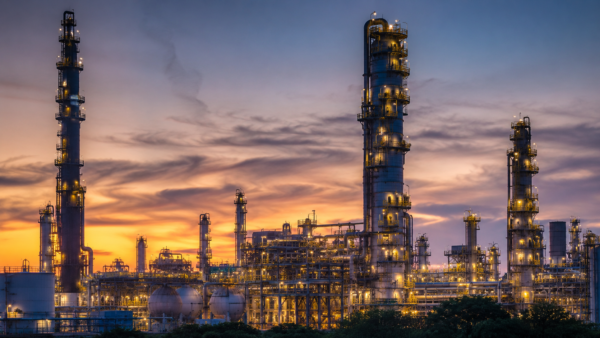
For Saudi Arabia, this macroeconomic turbulence highlights the strategic foresight embedding its long-term industrial architecture. While the global energy sector reacts to localized friction, the Kingdom continues to demonstrate its unparalleled operational resilience. A primary example is the successful normalization of crude loading operations at the massive Ras Tanura export facility, a vital infrastructure asset that mitigates broader supply shocks and ensures continuity for global downstream partners.
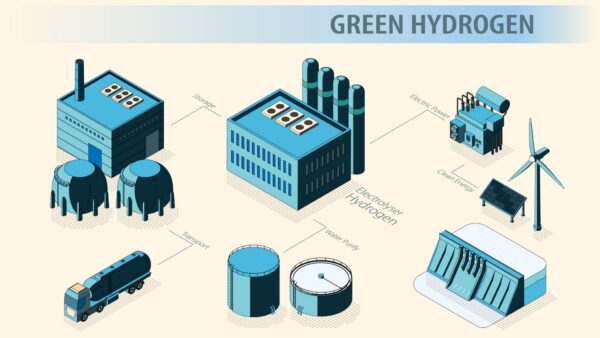
Furthermore, these recurring vulnerabilities along traditional maritime chokepoints validate the Kingdom’s heavy capital allocation toward alternative logistical infrastructure. Under the directive of Vision 2030, accelerating the domestic Clean Energy transition serves a dual purpose: it frees up precious hydrocarbon volume for strategic export while transforming Saudi Arabia into a highly diversified, self-sustaining industrial powerhouse insulated from external geopolitical supply shocks.
Sustained Stability Hinges on Diplomacy
Financial institutions and energy strategists maintain that long-term price stabilization will ultimately depend on structural, verifiable progress regarding navigation freedom within the Gulf. If diplomatic backchannels successfully restore the previous security parameters, crude prices are anticipated to find a balanced equilibrium in the coming weeks. Conversely, any expansion of hostilities risks introducing prolonged volatility across both legacy energy markets and emerging global tech supply chains.