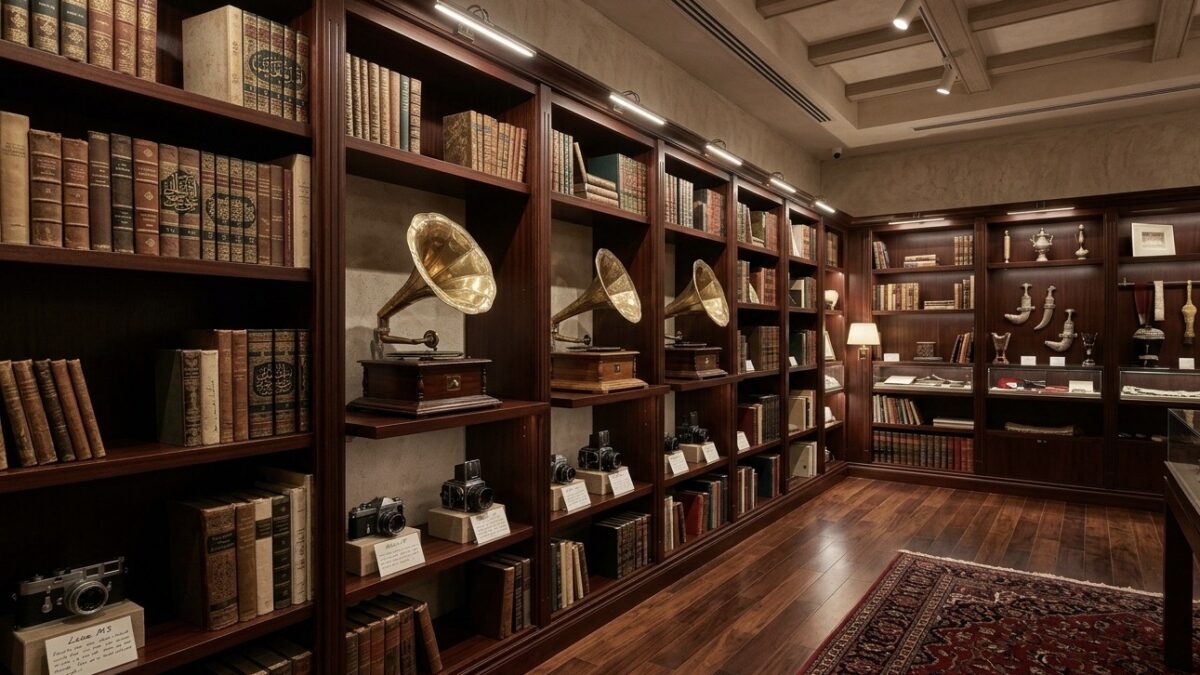
The Custodians of History: Jeddah’s Private Museum Preserving Saudi Cultural Heritage
In the heart of Jeddah’s Al-Rahmaniyah district, a retired Ministry of Interior official has transformed his private residence into a monumental archive of the Kingdom’s past. Mohammed bin Ali Al-Garni has spent over four decades and an excess of SR1 million to curate a collection of 12,000 artifacts, creating a localized epicenter for Saudi cultural heritage that bridges the gap between the pre-oil era and the high-tech future of Vision 2030.
Executive Summary
- Cultural Wealth: A private collection of 12,000 items ranging from early state documents to 1960s media cartridges.
- Strategic Investment: Over SR1 million ($266,000) invested in private acquisition and preservation.
- Vision 2030 Alignment: Supporting the “Quality of Life” program by fostering local tourism and historical education.
- Future Outlook: Plans are underway to formalize the museum’s licensing for public access and tourism integration.
Architecting a Living Archive
Stepping into Al-Garni’s home is a sensory journey through the evolution of the Saudi state. The museum is meticulously organized into nine distinct sections, covering everything from the Kingdom’s founding history and early education systems to the evolution of communication and agriculture. For B2B leaders in the tourism and creative sectors, such private initiatives represent the “grassroots” infrastructure that feeds into the Kingdom’s broader goals of making Saudi Arabia a global cultural destination.
The collection is notably comprehensive, featuring rare coins, stamps, typewriters, and gramophones. Beyond physical objects, Al-Garni has preserved the Kingdom’s digital and analog “memory,” including music cartridges from the 70s and 80s and vintage newspapers that documented the nation’s rapid modernization.
The Saudi Perspective: Heritage as a Catalyst for Innovation
While SaudiFutureTech often focuses on the “Neom” era of construction, Al-Garni’s museum highlights a critical pillar of the Saudi Vision 2030: identity. As the Kingdom leans into sovereign compute and AI-driven growth, there is a burgeoning opportunity for “CultureTech” firms to assist in the 3D scanning and digital archiving of such massive private collections.
Al-Garni’s ambition to certify his museum reflects a growing trend in the Kingdom where private citizens are becoming key stakeholders in the national tourism ecosystem. By securing official permits, these “hidden treasures” can be integrated into digital tourism maps, providing authentic, off-the-beaten-path experiences for international visitors and educational field trips for the tech-savvy younger generation.
Bridging the Generational Divide
“I created this museum so that we can show the younger generation our heritage and let them see with their own eyes their past,” Al-Garni told Arab News. For the C-suite and government officials, this museum serves as a reminder that the Kingdom’s future technological dominance is rooted in a resilient and deeply documented history. As the Ministry of Culture continues to expand its regulatory frameworks, private museums like Al-Garni’s are set to become vital nodes in the country’s cultural infrastructure.