

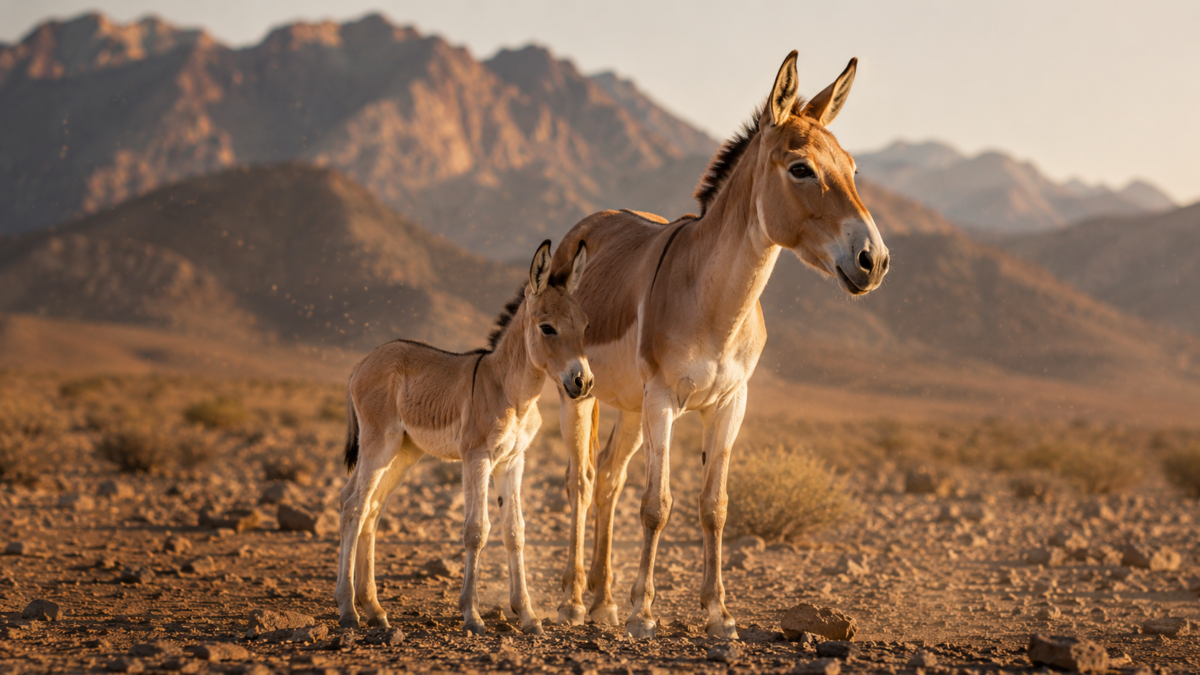
Saudi Arabia’s national environmental conservation strategies have achieved a historic milestone. The Prince Mohammed bin Salman Royal Reserve has officially announced the birth of the first onager (Equus hemionus) on Saudi soil in more than 100 years. This landmark event represents a critical breakthrough for the Kingdom’s ecological restoration frameworks, marking the successful return of a species that had been entirely absent from the Arabian Peninsula for over a century.
Executive Summary
- Historic Milestone: First native onager born in Saudi Arabia in more than a century at the Prince Mohammed bin Salman Royal Reserve.
- Survival Victory: The birth was announced following the foal’s successful completion of its first 12 months, overcoming a critical 50% survival threshold.
- Strategic Expansion: Two additional births are expected this winter, supported by cross-border genetic diversity initiatives with Jordan.
- Vision 2030 Alignment: The initiative directly supports the Saudi Green Initiative and national biodiversity targets overseen by regional stakeholders.
The male onager was born as part of a highly structured rewilding initiative designed to reintroduce 23 native species back into their ancestral habitats. To ensure the long-term viability of the data and the animal, the reserve strategically delayed the public announcement until the foal successfully completed its first 12 months of life. This initial year represents a highly volatile survival window for the species, where wild mortality rates frequently exceed 50%.
Combating Global Extinction Dynamics via Local Innovation
The success of the reserve’s reintroduction framework comes at a critical juncture for global biodiversity. Projections by the International Union for Conservation of Nature indicate that global onager populations could face a 90% decline by the year 2050 if left unmanaged. Following an upgrade to Critically Endangered status, fewer than 600 individuals are estimated to remain in the wild globally.
To insulate the local population from genetic bottlenecks, the reserve is actively executing a data-driven genetic diversity strategy. A female onager from Jordan is currently undergoing strict quarantine protocols before integrating into the local herd later this year. The ultimate operational objective is the establishment of two distinct breeding groups to maximize long-term sustainability, adaptability, and population resilience.
The Saudi Lens: Driving Socio-Economic and Ecological Value
This achievement highlights how Saudi Arabia is leveraging institutional collaboration to meet its ambitious environmental mandates. By pioneering scientific rewilding methodologies, the Kingdom is not merely preserving wildlife; it is constructing a robust ecological foundation that enhances the value of its gigaprojects and luxury eco-tourism sectors. The integration of advanced conservation tech, cross-border partnerships, and strict veterinary infrastructure demonstrates how environmental sustainability is being treated as a core pillar of the modern Saudi economy, directly aligning with the green transformation goals of Vision 2030.




[…] Mansoor, N. (2026). Saudi Vision 2030 Sustainability Breakthrough: First Arabian Onager Born in over a Century. Diambil dari https://saudifuturetech.com/saudi-vision-2030-sustainability-breakthrough-first-arabian-onager-born-…. […]