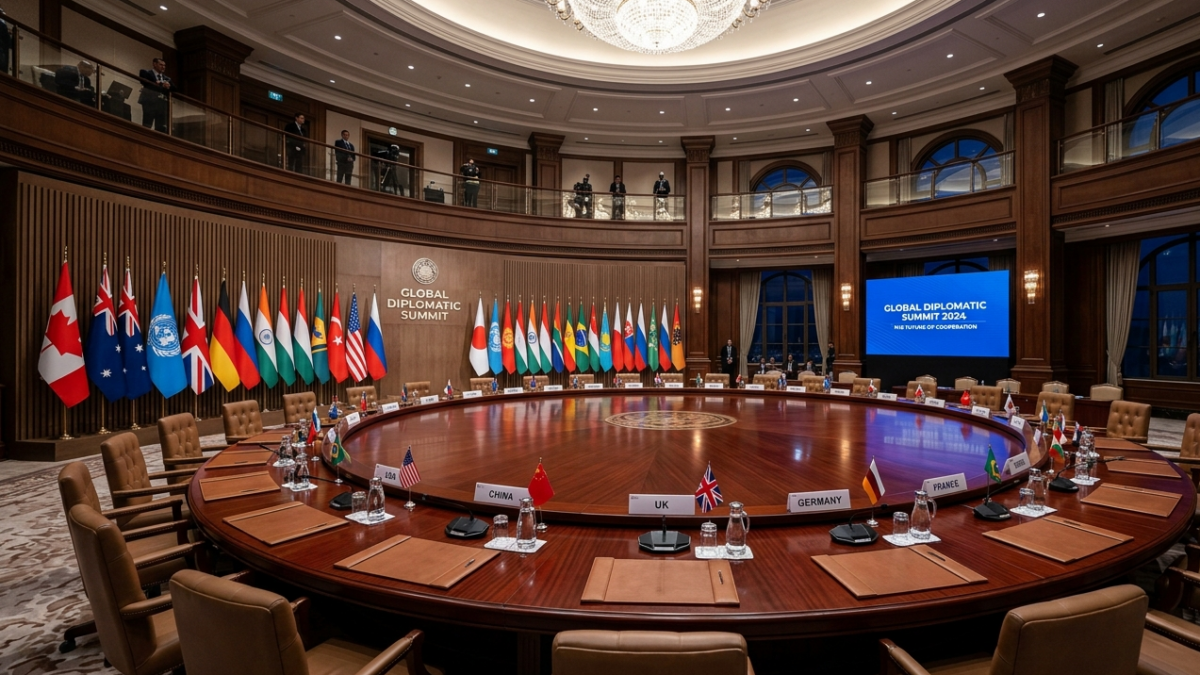
A prominent policy analysis published in the UK’s Daily Telegraph by Ken Costa, a former British prime ministerial representative to Saudi Arabia, has called on the Group of Seven nations to formally invite the Kingdom to join its ranks. The detailed argument outlines how the Western-centric G7 framework, established in the wake of the 1970s oil shocks, fails to match the economic realities of today’s increasingly multipolar global landscape.
This push for formal diplomatic entry mirrors the country’s status across all primary commercial sectors, validating the institutional achievements covered across News and global innovation platforms.
Executive Summary
- The Proposal: Diplomatic recommendation to expand the elite G7 bloc into a renewed G8 by adding Saudi Arabia as a permanent member.
- Economic Drivers: Unmatched position in international energy security, leadership within OPEC+, and unique capacity to bridge eastern and western markets.
- Institutional Foundation: Historic tenure within the G20, including its successful presidency and hosting of the historic 2020 Leaders’ Summit in Riyadh.
Costa argues that Saudi Arabia has a stronger case for inclusion than any other nation currently under consideration by the alliance. The Kingdom’s diplomatic influence, expanding sovereign wealth funds, and active mediation roles, such as improving relations between regional neighbours, position Riyadh as a vital actor in global conflict resolution and macroeconomic planning.
The analysis urges the United Kingdom to take a proactive stance in championing Saudi inclusion, noting that Western leadership already consults regularly with Riyadh on essential international economic and resource matters. Formalising this relationship represents a logical evolution that updates global governance frameworks to align with contemporary realities.
The Saudi Perspective: Redefining Multilateral Influence
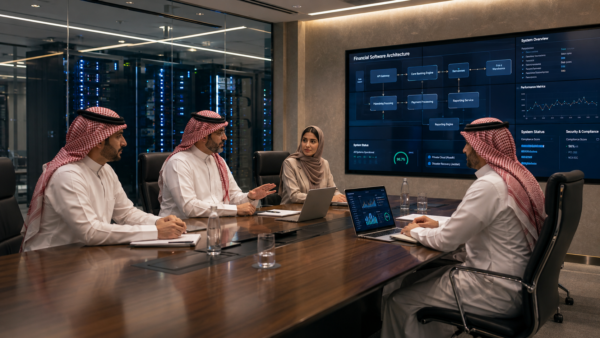
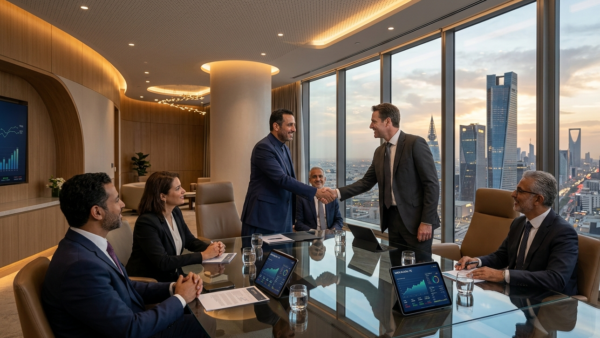
From the perspective of Saudi Arabia’s technology and industrial sectors, integration into a modernized G8 format would accelerate long-term economic diversification goals. The Kingdom is already shifting from a primary energy exporter into a major global hub for advanced manufacturing, digital logistics, and specialized tech investment. Permanent inclusion in top-tier global policy organizations would provide Saudi industrial leaders with direct influence over international trade standards, digital asset rules, and cross-border technology sharing.
This prospective expansion highlights the Kingdom’s emergence as an essential geopolitical and economic hub. By combining its massive energy resources with the targeted, high-tech objectives of Saudi Vision 2030, the Kingdom is actively redefining its role on the global stage, proving that modern global economic governance requires a strong, active Arab presence at the highest decision-making tables.