Ecological Resilience: Saudi Arabia Scales Houbara Breeding Center to 25,000 Birds
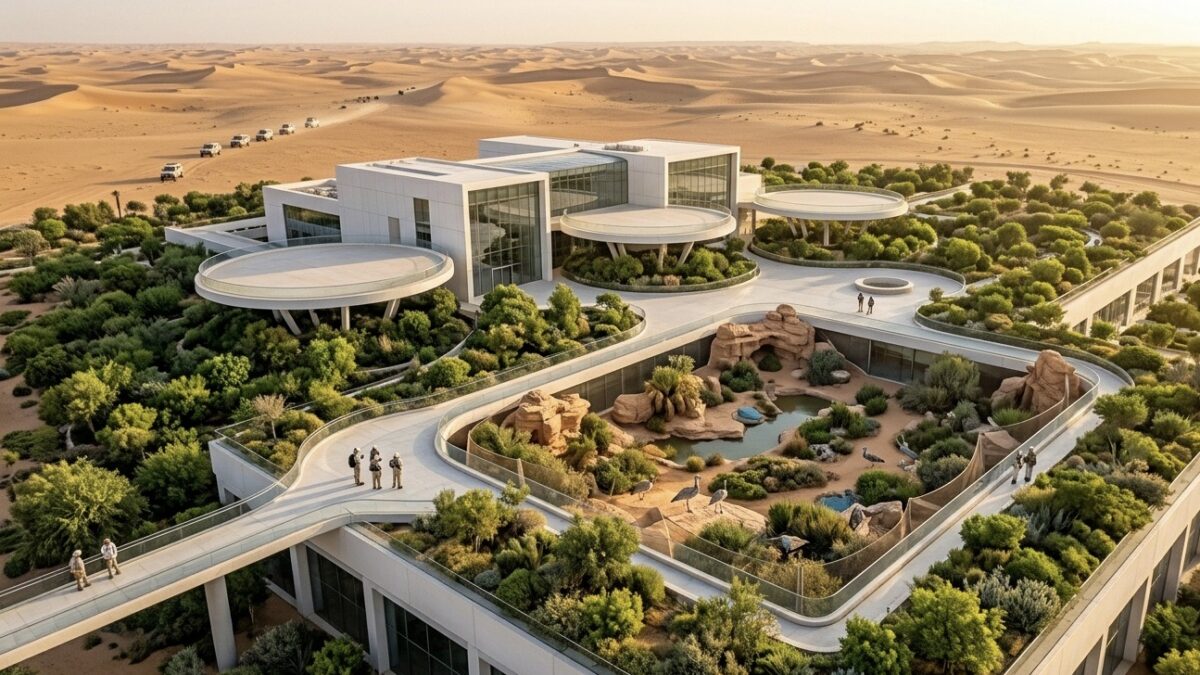
In a decisive move for the Kingdom’s environmental conservation strategy, the Imam Turki bin Abdullah Royal Nature Reserve Development Authority has announced the expansion of its Houbara breeding center. Located in Rafha, this facility represents a cornerstone of Saudi Arabia’s efforts to restore ecological balance and protect vulnerable species through advanced biotechnology and scientific research.
Executive Summary
- Production Milestone: The facility is projected to house 25,000 birds in its final phase, drastically increasing the population of the vulnerable houbara bustard.
- World-Class Infrastructure: The center features 22 state-of-the-art research and veterinary facilities built to international standards.
- Socio-Economic Impact: Beyond conservation, the project generates local employment and promotes regional eco-tourism.
- Vision 2030 Alignment: The initiative supports the Saudi Green Initiative’s mandate to preserve natural heritage and maintain biodiversity.
Scientific Excellence in Biodiversity Restoration
The Houbara breeding center is not merely a sanctuary but a sophisticated hub for avian science. By integrating 22 advanced research and veterinary facilities, the authority ensures that every phase—from breeding to reintroduction—meets rigorous quality benchmarks. These facilities are essential for ensuring high-quality care and optimal production rates, which are critical for the long-term survival of the species in their native habitats.
Strengthening the Kingdom’s Natural Heritage
The reintroduction of the houbara bustard into suitable habitats is a vital component of the Kingdom’s broader sustainability goals. By maintaining ecological balance, the center supports the resilience of Saudi Arabia’s unique desert ecosystems. Furthermore, the expansion of such centers underscores the Imam Turki bin Abdullah Royal Nature Reserve’s commitment to environmental stewardship, creating a blueprint for wildlife preservation that balances development with nature.
The Local Impact: Jobs and Sustainability
As the center scales toward its 25,000-bird capacity, it serves as a catalyst for local development in Rafha. The initiative creates specialized job opportunities for Saudi nationals in veterinary sciences, research, and environmental management. This integration of professional opportunity and environmental preservation ensures that the goals of Vision 2030 are met at both a national and community level.