Global Agricultural Synergy: International Dates Council Welcomes Libya to Riyadh-Based Body
The International Dates Council (IDC), headquartered in Riyadh, has formally inducted Libya as its newest official member. This strategic accession marks a significant milestone in pan-Arab agricultural cooperation, positioning Libya as a vital contributor to the global date palm ecosystem and reinforcing the IDC’s role as the premier international authority for producers and exporters.
Executive Summary
- Strategic Accession: Libya officially joins the International Dates Council (IDC) to enhance sector-wide international cooperation.
- Agricultural Capacity: Libya contributes over 10 million date palms and an annual production of 180,000 tons to the global market.
- Research & Development: Membership grants Libya access to IDC’s advanced scientific research and supply chain optimization programs.
- Global Context: Libya now accounts for approximately 1.8% of the world’s 9.75 million metric tons of annual date production.
Boosting the Global Date Palm Supply Chain
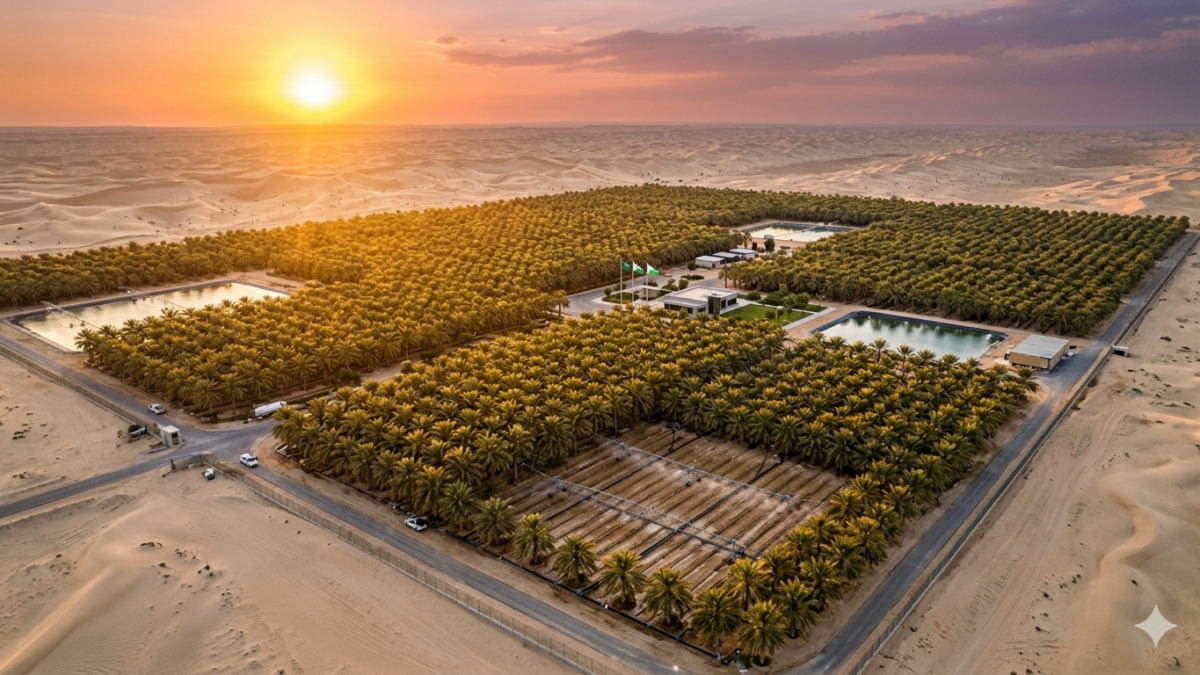
The Libyan Ministry of Agriculture, Livestock and Marine Resources reports that the nation’s 10 million date palms provide a robust foundation for export growth. By joining the IDC, Libya seeks to align its local production with international standards, leveraging the Council’s integrated strategies to advance sustainable development and streamline international trade routes.
The IDC affirmed that this partnership is a “valuable addition,” specifically aimed at fostering an inclusive and sustainable agricultural industry. For Libya, the membership facilitates a direct pipeline to global best practices in pest management, irrigation technology, and sovereign food security measures.
The Saudi Perspective
The IDC’s growth, managed from its headquarters in Riyadh, is a testament to Saudi Arabia’s leadership in the global agricultural and News sectors. As the world’s second-largest producer of dates, the Kingdom is utilizing the IDC as a diplomatic and economic vehicle to standardize the industry. For Saudi Vision 2030, the expansion of the IDC strengthens Riyadh’s position as a global hub for non-oil trade and agricultural innovation. By integrating major regional producers like Libya, the Kingdom ensures that the “Green Riyadh” and broader environmental goals are supported by a unified, data-driven regional market.