Digital Pilgrimage: How the Makkah Route Initiative is Revolutionizing Hajj Logistics
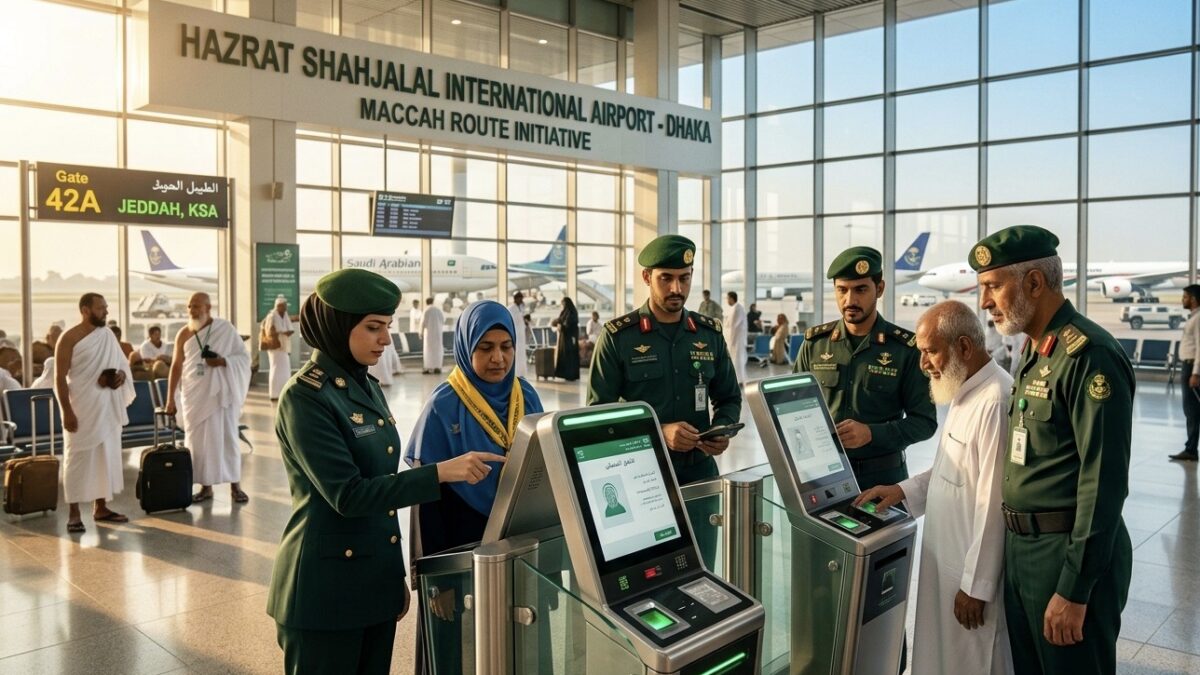
As the 2026 Hajj season approaches, Saudi Arabia’s commitment to digital transformation and seamless border management is on full display at Dhaka’s Hazrat Shahjalal International Airport. Under the prestigious Makkah Route initiative, a dedicated cohort of over 50 Saudi immigration officials is working 24/7 to facilitate the spiritual journey for 78,500 Bangladeshi pilgrims, ensuring a “zero-wait” experience upon arrival in the Kingdom.
Executive Summary
- Scale of Operations: Over 45,600 pilgrims have already arrived in Jeddah via 115 dedicated flights.
- Operational Excellence: 50+ Saudi officers are managing shifts in Dhaka to handle pre-immigration and luggage logistics.
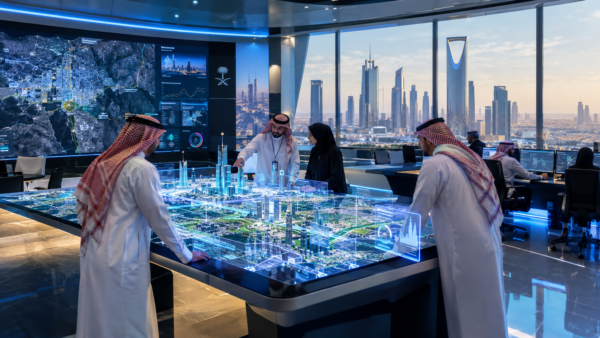
- Vision 2030 Alignment: The program utilizes advanced GovTech to eliminate traditional entry bottlenecks, reflecting Saudi Arabia’s hospitality and infrastructure upgrades.
- End-to-End Logistics: Includes pre-travel luggage tagging and digital transport tracking.
Seamless Integration: From Dhaka to the Holy Sites
The Makkah Route initiative, first introduced in Dhaka in 2019, represents a flagship pillar of the Pilgrim Experience Program. By relocating Saudi immigration, customs, and health checks to the country of departure, the Kingdom has effectively digitized the border, allowing pilgrims to disembark in Jeddah or Madinah and proceed directly to their accommodations without the traditional hours-long processing queues.
The integration of biometric data capture and digital documentation ensures that by the time a pilgrim boards their flight in Dhaka, they are already legally admitted into the Kingdom. This represents a significant leap in GovTech efficiency, reducing the physical toll on elderly travelers and optimizing airport throughput.
Vision 2030 and the Future of Religious Tourism
The success of this year’s deployment underscores the Kingdom’s ability to export its digital infrastructure expertise. The Makkah Route initiative is a critical component of Vision 2030’s goal to host 30 million Umrah pilgrims annually. By leveraging technology to decentralize border control, Saudi Arabia is setting a global standard for large-scale event management and international mobility.