Riyadh Explores Landmark Non-Aggression Framework to Stabilize Regional Markets
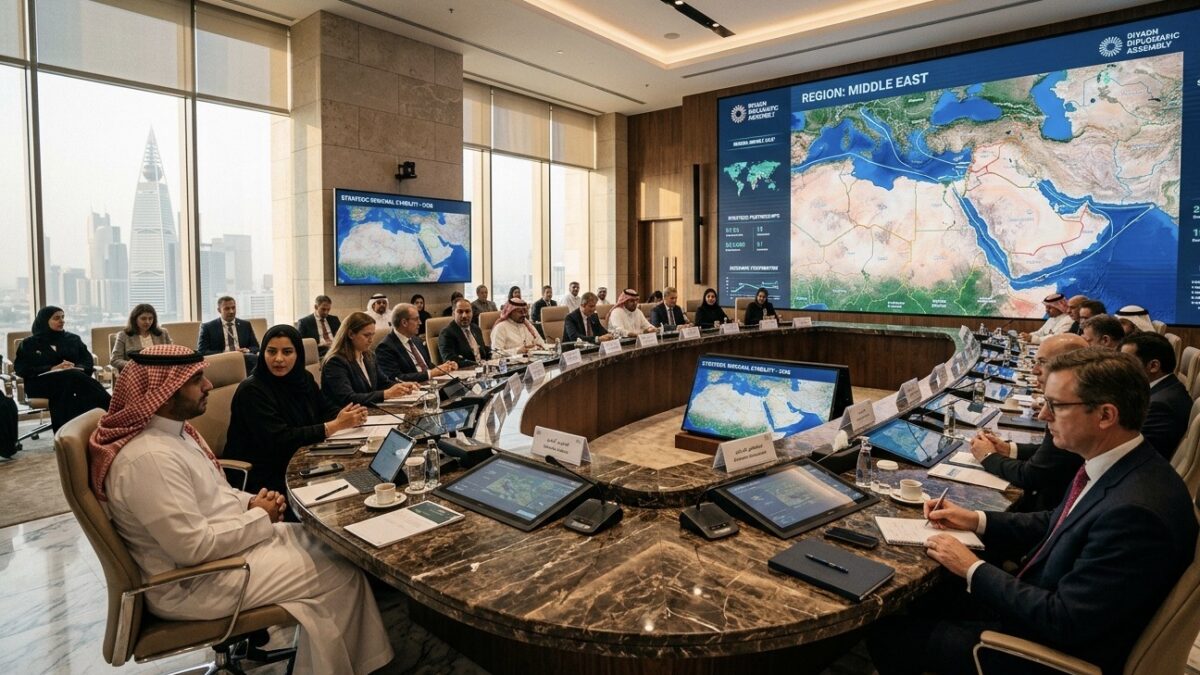
Following the conclusion of the US-Israel conflict with Tehran, Saudi Arabia is reportedly leading a diplomatic charge to establish a Middle Eastern non-aggression pact with Iran. According to diplomatic sources cited by the Financial Times, the Kingdom is evaluating a geopolitical model inspired by the 1975 Helsinki Accords to mitigate long-standing rivalries and foster a predictable environment for economic growth.
Executive Summary
- Diplomatic Innovation: Riyadh is considering a collective security framework to reduce regional friction and manage post-war tensions.
- The Helsinki Model: The proposal draws inspiration from Cold War-era accords designed to boost cooperation between rival global powers.
- International Backing: European nations and EU institutions are actively encouraging GCC states to support the pact as a preventative measure against future escalations.
- Defense Realignment: Parallel to these talks, Saudi Arabia, Egypt, Turkey, and Pakistan are deepening defense and economic synergies.
Securing the Post-War Landscape
The proposed pact arrives at a critical juncture as Gulf states navigate a complex security landscape. While the direct conflict has subsided, concerns persist regarding Iran’s sophisticated missile and drone capabilities. Diplomats suggest that a formal non-aggression agreement would provide necessary security guarantees, effectively “locking in” stability to prevent the spillover of domestic or proxy volatility into the broader region.
This diplomatic maneuver is complemented by a broader regional defense realignment. Pakistan has reportedly proposed expanding its existing defense pact with Riyadh to include strategic partners like Qatar and Turkey, signaling a move toward a more integrated Middle Eastern security architecture.
The Saudi Perspective: Safeguarding the Vision 2030 Investment Climate
For the Kingdom, this non-aggression proposal is a strategic necessity rather than a mere diplomatic formality. As Saudi Arabia accelerates its Vision 2030 transformation, the primary prerequisite is a stable, “zero-conflict” regional environment. A formal pact with Iran would de-risk the massive infrastructure projects currently under development—from NEOM to the Red Sea Global initiatives—by ensuring that regional tensions do not deter Foreign Direct Investment (FDI) or disrupt global supply chains.
By spearheading a local News-making security framework, Riyadh is positioning itself as the central architect of Middle Eastern stability. This proactive diplomacy ensures that the Kingdom’s technological and economic leap remains unhindered by external geopolitical shocks, ultimately securing the “sovereign stability” required for a post-oil future.