Saudi Arabia is projected to deploy an estimated $16 billion (SAR 60 billion) over the next five years specifically to manage contract terminations and structural adjustments across its flagship NEOM development. The strategic reallocation underscores an active effort by the Kingdom to optimize capital deployment, matching giga-project timelines with near-term national milestones.
Executive Summary
- Contractual Realignment: An estimated $16 billion is being set aside to settle penalty clauses and contract cancellations from earlier expansion phases.
- Strategic Refocusing: Under new leadership, investment is actively shifting away from long-dated residential and tourism structures toward high-yield industrial, logistics, and digital infrastructure assets.
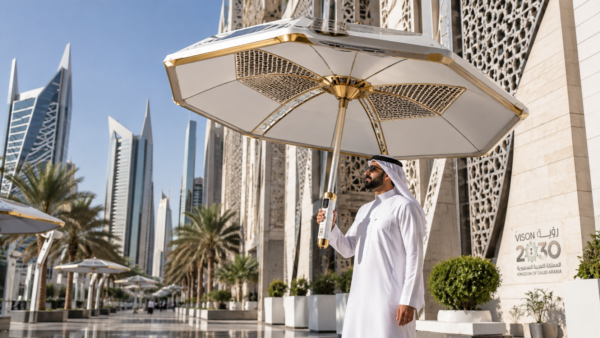
- Vision 2030 Synchronization: Capital is being reallocated to support critical national priorities, including infrastructure for Riyadh Expo 2030 and the FIFA World Cup 2034.
Capital Recalibration: Navigating the Realities of Giga-Project Scale
The projected financial outlay is closely linked to penalty clauses embedded within long-term agreements signed during NEOM’s rapid initial scaling phase. Following a rigorous strategic review spearheaded by NEOM’s Chief Executive, Aiman Al-Mudaifer, Saudi authorities are aggressively streamlining development plans. This has led to the termination or deferral of legacy contracts with major international construction consortia.
While global commentators have framed these budget adjustments as a setback, enterprise leaders and economists in the GCC view the transition as a mature stabilization phase. The Public Investment Fund (PIF) is increasingly demanding execution over open-ended vision, forcing a shift away from broad advisory mandates toward tightly scoped, outcome-driven engineering milestones. This ensures that massive capital injections yield tangible economic returns while protecting the Kingdom from unhedged budget deficits.
Prioritizing Yield: OXAGON and Green Hydrogen Take Center Stage
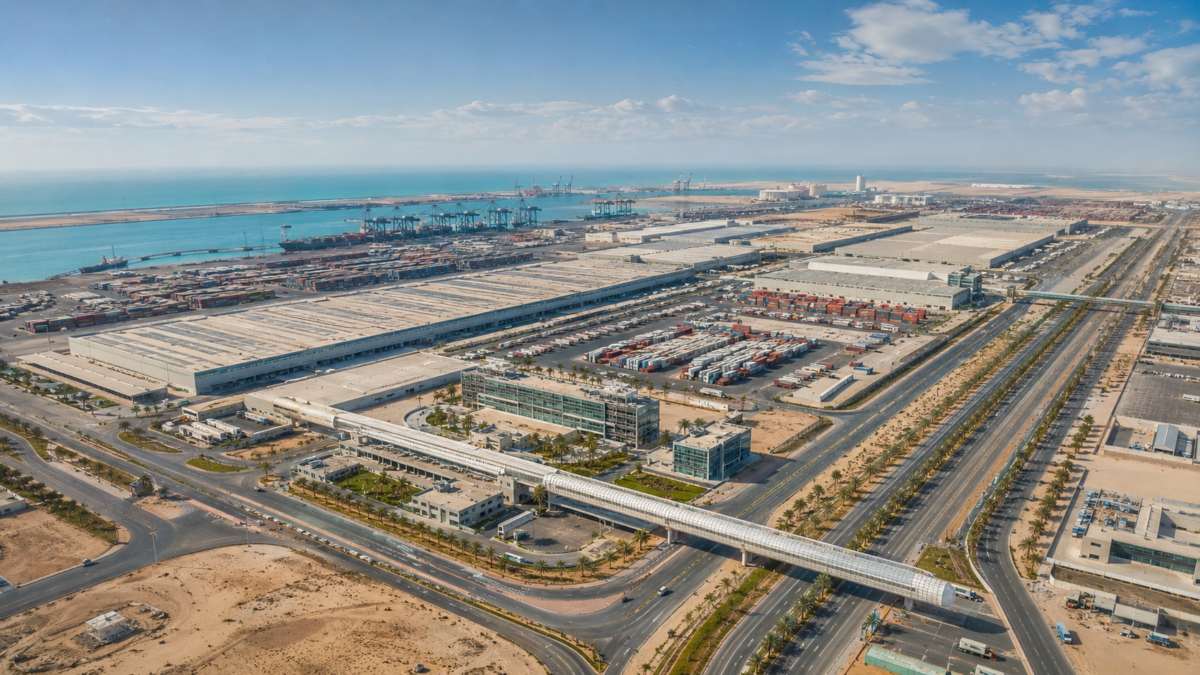
The recalibration does not signify an abandonment of the Kingdom’s tech-forward ambitions. Instead, resources are being heavily consolidated into segments with clear commercial runways. This includes major developments in smart cities infrastructure, specifically the industrial and logistics-focused OXAGON district.
OXAGON’s port infrastructure has taken on heightened significance as global supply chains adjust to regional trade shifts. Concurrently, investments in renewable energy and green hydrogen production remain fully protected. Rather than building experimental architectural concepts, the Kingdom is doubling down on becoming a primary exporter of clean energy and an undisputed global logistics nexus.